
Surplus Acidulants & Preservatives — Liquidation & Resale
We move surplus and off-spec acidulants and preservatives — citric, malic, fumaric, lactic, tartaric, and phosphoric acids, citrates, sorbates, benzoates, propionates, and ascorbic acid — by matching documented lots to qualified ingredient buyers and compliant secondary channels. Send us product specs, dates, packaging, and photos; we assess channel fit, price options, and coordinate logistics nationwide.
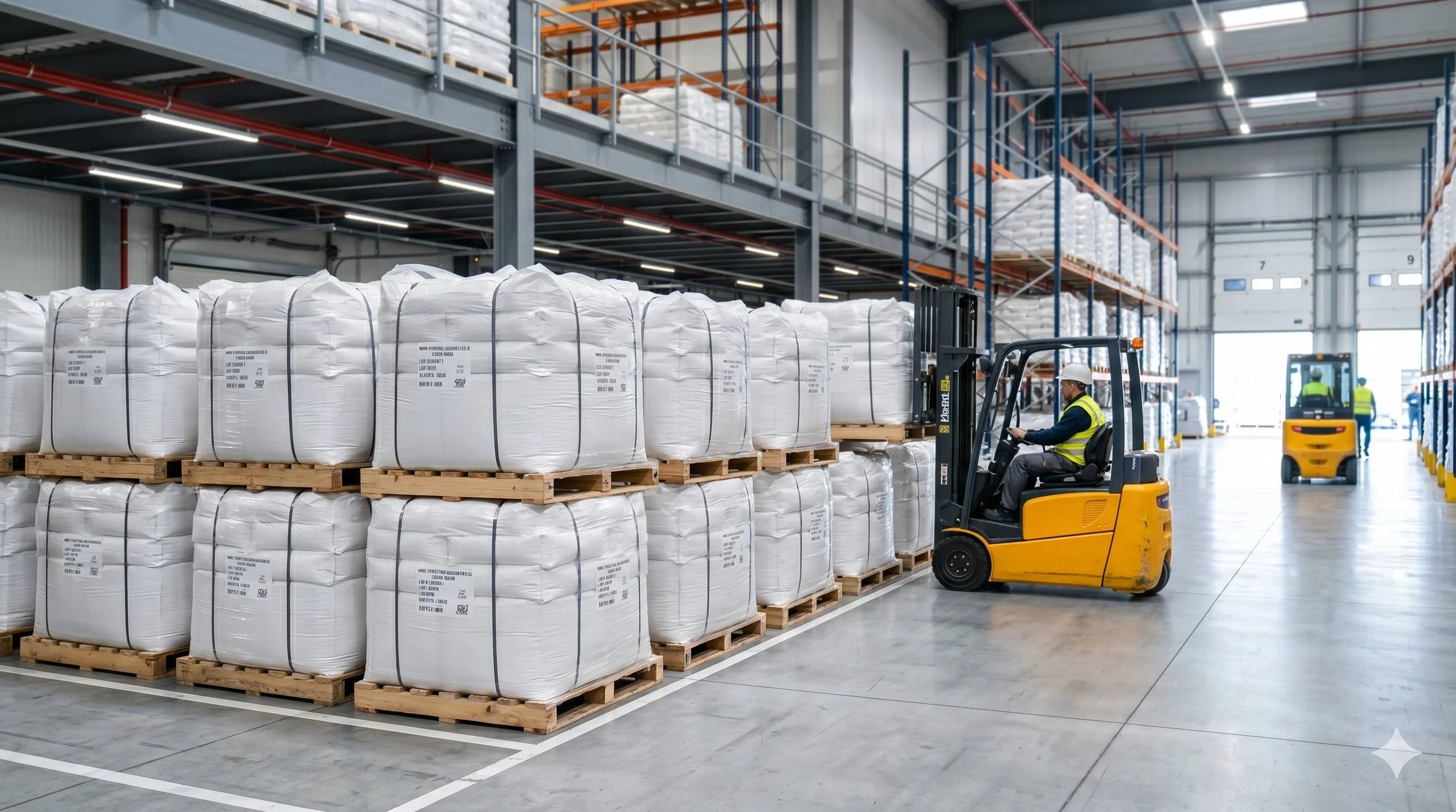
How We Handle Surplus Acidulants & Preservatives
Beverage, confectionery, bakery, and prepared food manufacturers — along with co-packers and ingredient distributors — end up with excess acids and preservatives after reformulations, clean-label switches, overproduction, and contract cancellations. Many of these materials are stable, well-characterized chemicals, which makes them some of the easier food ingredients to place when they're sealed and documented. We evaluate grade, documentation, dates, and packaging, then route to the highest-value compliant channel: food ingredient reuse first, then feed, personal care, cleaning, or industrial applications where the grade fits.
What We Accept
Material types: Citric acid (anhydrous and monohydrate), malic acid, fumaric acid, tartaric acid, lactic acid, phosphoric acid (food grade), sodium and potassium citrate, potassium sorbate, sorbic acid, sodium benzoate, calcium and sodium propionate, ascorbic acid and sodium ascorbate, acid and preservative blends
Forms: Sealed bags on pallets, sealed supersacks, fiber or poly drums with lid intact, sealed IBC totes (liquids)
Condition: On-spec or off-spec with COA; short-dated or retest-dated; overproduction lots; label-change or reformulation excess; contract cancellations
Volumes: Multi-pallet LTL through full truckload (FTL); liquid totes by the tote or truckload
Documentation: Best-by / expiration or retest date, lot number, COA or spec sheet, grade (FCC, USP, technical), SDS for liquid acids, any channel or geography restrictions
What We Don't Accept for Resale
Open or compromised packaging (torn bags, leaking drums or totes)
Products under active regulatory hold or recall
Adulterated or contaminated lots
Unlabeled or unidentified containers
For lots outside resale eligibility, see our surplus chemicals program for technical-grade and industrial outlets.
How It Works
Submit specs — Product name, grade, lot/COA, dates, packaging type, quantity by pallet or tote, SDS for liquids, photos, pickup ZIP, any restrictions
Channel & pricing — We assess food ingredient reuse first, then feed, personal care, cleaning, or industrial applications; buy-out or brokerage pricing quoted
Logistics — Dry van standard; food-grade carriers available on request; liquid acids are shipped per their SDS transport classification
Reporting — Diversion confirmation, buyer disclosure where required, chain-of-custody documentation available
Logistics & Coverage
Nationwide pickups · Dry van standard · Food-grade carriers on request · Preferred: sealed pallets with packing list by lot · LTL or FTL
Industries We Serve
Beverage manufacturers · Confectionery and bakery manufacturers · Sauce, dressing, and prepared food manufacturers · Co-packers and contract manufacturers · Ingredient distributors and importers · 3PL and warehouse facilities holding stranded inventory
FAQs
Q1. What acidulants and preservatives do you handle? A. Citric, malic, fumaric, tartaric, lactic, and food-grade phosphoric acids, citrates, sorbates, benzoates, propionates, and ascorbic acid, in dry and liquid forms.
Q2. Do you accept retest-dated or expired lots? A. Short-dated and retest-dated lots with intact packaging and a COA are reviewed for resale. Many of these materials are chemically stable, and a current retest or fresh COA can often support placement.
Q3. What if the material has caked? A. Hygroscopic acids such as citric and malic can cake if exposed to humidity. Tell us upfront — caked lots are evaluated individually and may still place in applications where they're dissolved before use.
Q4. Do you handle liquid acids? A. Yes. Send the SDS with your submission. Some liquid acids are regulated for transport, and the SDS tells us how the lot has to ship.
Q5. Can we restrict resale to certain channels or geographies? A. Yes. Brand protection, export restrictions, and channel exclusions are honored. We screen buyers accordingly before disclosure.
Q6. What's the minimum volume you'll review? A. A few pallets or a single tote can be reviewed, but truckload volumes generate the strongest buyer interest and best economics.
Get a Quote
Include product name, grade, lot/COA if available, best-by or retest date, packaging type, quantity, SDS for liquids, photos, pickup ZIP, and any channel restrictions.
Looking to buy surplus food ingredients? → Buy surplus food ingredients