
Sell Surplus Oils & Fats
Liquidate excess edible oils, specialty oils, shortening, animal fats, and inedible fats through compliant resale, biodiesel, oleochemical, or feed recovery channels. Sealed lots, full documentation, ambient and heated tanker logistics.
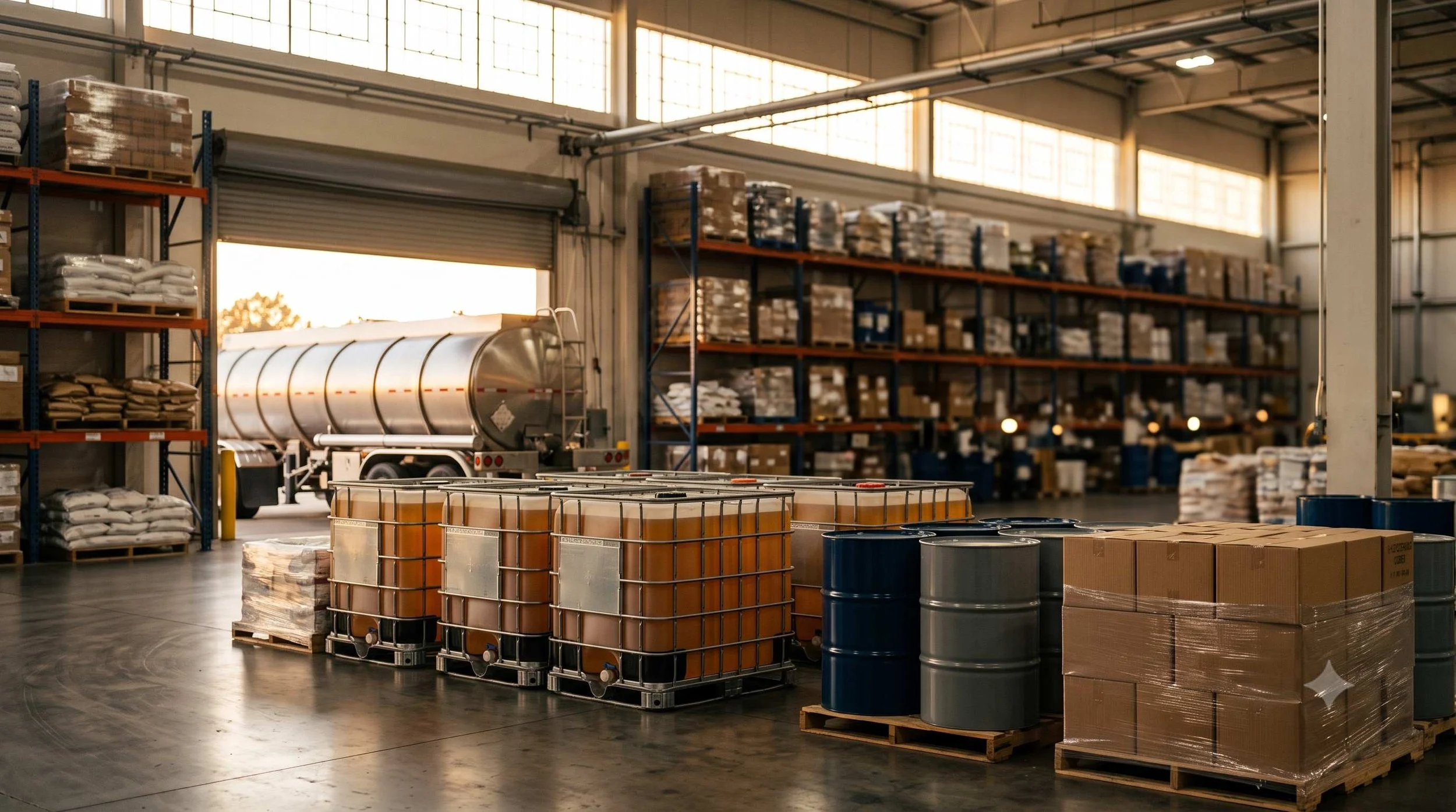
Why Oils & Fats Are a Category of Their Own
Oils and fats sit in a unique position in the surplus market. Unlike most food ingredient categories, where unsellable lots fall hard into low-value disposition, surplus oils and fats have actively traded recovery channels with real market indices behind them — biodiesel, renewable diesel, oleochemical feedstock, and animal feed all pay for material that human-food channels won't take.
That changes the economics of holding surplus. A drum of off-spec soybean oil isn't trash — it has a published market value tied to soybean oil futures, biodiesel margins, and Renewable Fuel Standard credit pricing. A tote of high-FFA palm oil that can't be resold as food often has a clear buyer in the oleochemical chain. Used cooking oil from a co-packer's fryer line is a tradeable commodity with state-level LCFS uplift in compliant markets.
The trick is knowing which channel pays the best, who's actually buying right now, and how to move the material there compliantly. That's what Waste Optima does.
What we accept
| Category | Examples | Typical Packaging & Logistics |
|---|---|---|
| Vegetable & Seed Oils | Soybean, canola, sunflower, corn, cottonseed, safflower, rice bran, grapeseed | Drums, totes, tankers, flexitanks · Ambient |
| Tropical Oils | Palm (RBD, CPO), palm kernel, palm olein/stearin, coconut, MCT | Drums, totes, heated tankers · Heated transport |
| Specialty & Premium | Olive (EVOO, virgin, refined, pomace), avocado, walnut, almond, organic variants | Cases, pails, drums, totes · Ambient (some refrigerated) |
| Animal Fats | Lard, tallow (edible), duck fat, chicken fat, schmaltz, butter oil | Cubes, blocks, drums, heated tankers · Heated for bulk |
| Shortenings & Margarines | All-purpose, cake, bakery, frying, high-stability shortening, margarine | 35-lb cubes, 50-lb blocks, totes · Ambient |
| Industrial & Recovery | UCO, yellow grease, inedible tallow, off-spec or high-FFA oils, oxidized oils | Totes, tank trucks · Ambient or heated as required |
How the Process Works
1. Send Us the Lot Details
Share what you're holding: material, volume, packaging, manufacture and best-by dates, lot/batch numbers, current location, and — critically for oils — current spec data (FFA, peroxide value, color, moisture if available). COA preferred. Photos of packaging and labels speed up pricing.
2. We Price the Options
Depending on the material and spec, lots route to one of several channels:
Food-grade resale: sealed, in-spec material moves to ingredient buyers, foodservice distributors, or co-packers
Industrial/oleochemical: high-FFA or color-degraded oils route to soap, surfactant, candle, or oleochemical buyers
Biodiesel / renewable diesel feedstock: UCO, inedible fats, and off-spec oils route to biofuel producers, often with RIN/LCFS uplift in the right markets
Animal feed / pet food: select fats and oils route to feed manufacturers and pet food producers
We offer buy-out (we purchase outright) or brokerage (we place with a qualified buyer and you receive payment on settlement). Brokerage typically nets 15–30% better on higher-value lots.
3. Pickup and Disposition
We coordinate the right carrier for the material — ambient tank truck, heated tanker (for palm, tallow, coconut, shortening), drum/tote LTL, or flexitank intermodal as needed. Chain-of-custody documentation and outcome reporting on every lot.
Who We Work With
Food manufacturers and ingredient processors clearing surplus from formulation changes, oversupply, or specification shifts
Co-packers and contract manufacturers with leftover material from completed runs
Bakeries, snack producers, and frying-heavy operations with bulk shortening, margarine, or frying oil surplus
Foodservice distributors and ghost kitchens with surplus or aging oil inventory
Restaurants, foodservice operators, and processors generating UCO
Renderers, processors, and ingredient brokers with off-spec or inedible fat inventory
3PLs and warehouses holding abandoned freight or distressed lots
Frequently Asked Questions
Q: How much volume do I need to make this work?
A: We can review pallet-level lots, but the strongest economics typically start at full truckload or tanker quantities (40,000+ lbs). For high-value specialty oils (MCT, premium olive, organic specialty), smaller lots can still pencil out.
Q: What's the difference between buy-out and brokerage?
A: Buy-out means Waste Optima purchases the material outright and resells it — faster payment at a lower unit price. Brokerage means we place the material with a qualified buyer in our network and you receive payment on settlement — slower, but typically 15–30% better net to you on larger lots.
Q: My oil is high-FFA / off-color / off-spec. Can you still place it?
A: Yes, in most cases. Oils that fail food-grade specs often have strong placement in biodiesel feedstock, oleochemical (soap, surfactants), or animal feed channels. Send us the spec sheet — we'll route to the channel that pays best for your specific material.
Q: Do you handle used cooking oil (UCO)?
A: Yes. We handle UCO from foodservice operations, co-packers, and processors. UCO typically routes to biodiesel and renewable diesel producers, with potential RIN and LCFS credit value depending on the market and feedstock pathway.
Q: Do you handle partially hydrogenated oils (PHOs)?
A: We handle PHOs only through industrial recovery channels (oleochemical, biofuel) given current FDA restrictions on food use. Tell us upfront if your material is PHO so we route it correctly.
Q: Will my brand show up on grey-market or retail channels?
A: No. We honor brand and territory restrictions on every lot. Buyers are screened, and we can require re-labeling, brand removal, or ingredient-only resale on sensitive lots. We do not place surplus ingredient material into retail channels.
Q: Can you handle heated/hot-load shipments?
A: Yes. For products that solidify at ambient temperature — palm oil, tallow, coconut oil, shortening, lard — we coordinate heated tanker carriers with temperature monitoring throughout transit.
Q: What documentation do I need to provide?
A: A manufacturer COA is strongly preferred. SDS, lot/batch numbers, manufacture and best-by dates, and current spec data (FFA, peroxide value, color where available) are required. Photos of packaging condition speed up pricing significantly.
Q: How fast can you move material?
A: Quotes within one business day. Pickup typically within 5–10 business days of agreement for drum/tote LTL; tanker and flexitank loads may take slightly longer depending on carrier availability and the destination channel.
Q: Do you charge upfront fees?
A: No. On buy-outs we pay you. On brokerage, our margin is built into the buyer-side pricing — no separate fees billed back to the seller.
Get a Quote
Include product name, lot/COA if available, best-by date, packaging type, quantity by pallet, photos, pickup ZIP, and any channel restrictions.