
Heavy Industry Waste Management & Commodity Brokerage
We provide turnkey logistics and beneficial reuse solutions for steel mills, foundries, and mining operations. From monetizing mill scale to diverting slag and refractory brick.
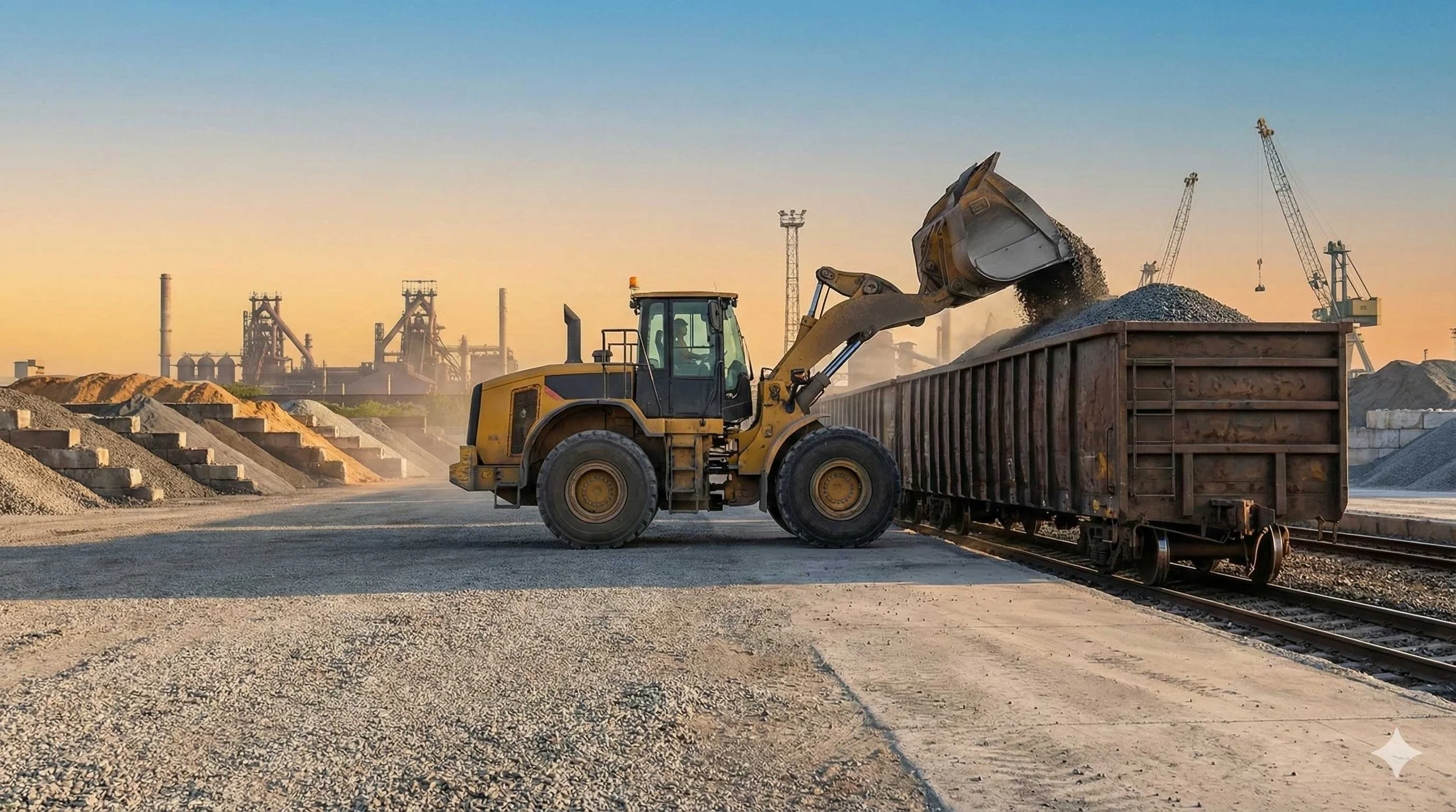
Types of Materials
| Material Stream | Target Application | Economic Model |
|---|---|---|
| Mill Scale (Ferrous) | Sinter Plant Feed / Cement Kiln (Fe Source) | Revenue / Commodity Sale |
| Scrap Metal | Smelters, Foundries, Steel Mills | Revenue / Commodity Sale |
| Steel Slag & Aggregates | Road Base, Asphalt, Construction Fill | Cost Avoidance (Beneficial Reuse) |
| Foundry Sand | Soil Blending, Pipe Bedding, Cement | Cost Avoidance (Beneficial Reuse) |
| Refractory Brick | Reprocessing / Mineral Recovery | Cost Avoidance or Neutral |
Specialized Heavy Industry Solutions
Mill Scale Marketing & Brokerage
We purchase and broker ferrous mill scale from steel manufacturers. We manage the screening, freight (rail/barge), and sale to domestic and international end-users.
Industrial Scrap Metal Management
We manage bulk ferrous and non-ferrous scrap programs for industrial generators. By consolidating volume and utilizing our logistics network, we can bypass intermediaries to deliver your material directly to mills and foundries for maximum return.
Steel Slag & Aggregate Management
Stop stockpiling slag. We connect mills with construction firms and asphalt plants that require high-strength aggregate, lowering your onsite liability. View Slag Solutions ->
Foundry Sand & Refractory
We manage non-hazardous spent foundry sand and demolition refractory, diverting thousands of tons from landfills to construction and agricultural applications.
Solving the Logistics Bottleneck
In heavy industry, the material isn't the problem—the freight is. Waste Optima acts as your logistics partner, coordinating complex movements so your operations team can focus on production.
Multi-Modal Transport: We coordinate gondola railcars, hopper barges, and dump trailer fleets.
Documentation: We handle bills of lading, weigh tickets, and chain-of-custody for every load.
Spot Market Agility: We aren't tied to a single hauler, allowing us to find capacity when others can't.
Heavy Industrial FAQs
Which heavy-industry materials do you recycle or reuse?
We work with foundry sand, slag and clinker, refractory brick, baghouse dust, spent abrasives and filter media, aggregate fines, scrap metal, and mill scale, matched to qualified outlets based on chemistry, form, and volume.
What are the most common beneficial-reuse outlets?
Depending on chemistry and moisture, typical outlets include cement/raw mix, aggregate and engineered fill, soil stabilization, mineral fillers, and metal recovery. Our goal is to replace virgin materials wherever practical while keeping compliance front and center.
How do you qualify an outlet for my material?
We review COA or lab data and photos, arrange sampling and trial loads where needed, confirm the outlet’s QA requirements, secure any required state beneficial-use approvals, and then lock in a repeatable logistics and reporting process.
What minimum volumes and packaging do you need?
Best economics usually come with bulk or full-truckload/rail quantities. We also handle roll-offs, covered bins, super sacks, and dump trucks—depending on material and outlet needs. Smaller volumes may be feasible when combined into recurring programs.
Do you support national, multi-site programs?
Yes. We support multi-plant networks with centralized coordination, regional outlets, and consolidated reporting across sites, so corporate teams can see tonnage, outlets, and financial impacts in one place.
How is pricing determined, and what documentation do you need to start?
Pricing reflects material value and outlet type, contamination and moisture, distance and logistics, and handling requirements. To begin, we typically ask for a brief description of the material, COA or lab data, photos, volumes, storage/loading method, and any existing approvals or constraints.
Last updated: 2025-12-30
Monetize Your Byproducts & Reduce Liability
Whether you have 5,000 tons of mill scale to liquidate or a slag pile that needs to disappear, we have the network to move it. Let us audit your stream to find its highest value end-use.