
Industrial Sludge Management & Beneficial Reuse Solutions
Turn non-hazardous filter cake, spent lime, and chemical byproducts into certified cement kiln feedstock or soil amendment. We connect industrial generators with verified downstream partners nationwide.
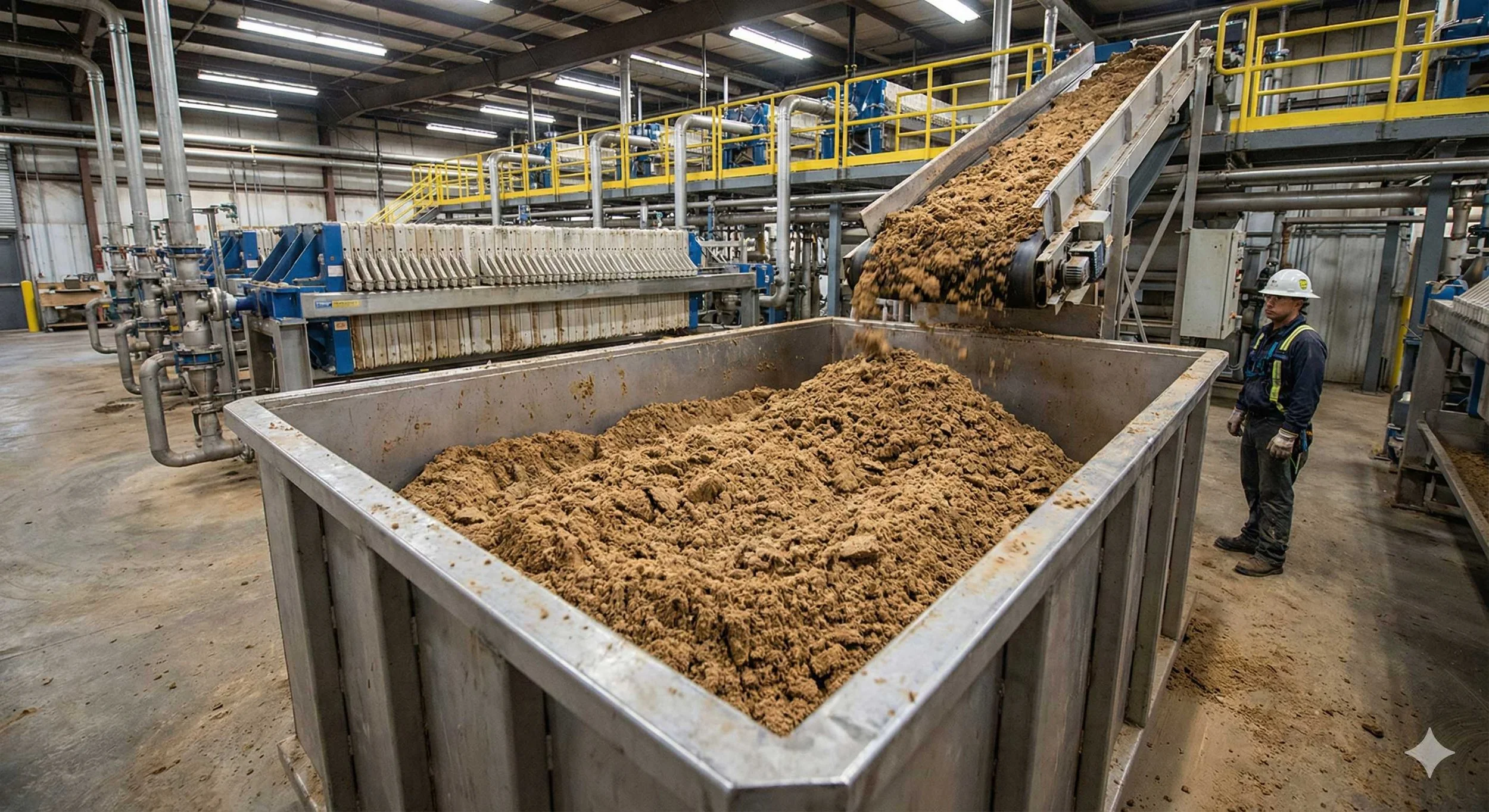
Types of Materials
| Material Stream | Typical Specs | Beneficial Reuse Path |
|---|---|---|
| Inorganic Filter Cake | Mineral-rich, low BTU, non-hazardous solids. | Cement Kiln Feedstock |
| Spent Lime / Lime Mud | High Calcium Carbonate (CaCO3), pH adjusted. | Soil Amendment or Ag-Lime |
| Organic Filter Cake | Food/Ag residue, high biological content. | Industrial Composting |
| Alumina Sludge | Aluminum Hydroxide, Bauxite Residue. | Raw Material Substitute (Cement) |
Select Your Material Stream
Inorganic Filter Cake Recycling
For mineral-rich sludges and metal finishing byproducts that cannot be composted. We route these materials to cement kilns where they replace virgin limestone. View Inorganic Solutions ->
Organic Filter Cake & Food Sludge
For nutrient-rich filter cakes derived from food processing or biological treatment. We target composting and land application permits. View Organic Solutions ->
Spent Lime & Lime Mud
For calcium-carbonate rich streams from water treatment and paper manufacturing. We divert these to soil stabilization and agricultural markets. View Spent Lime Solutions ->
Aluminun Hydroxide (ATH)
For caustic soda regeneration processes from aluminum manufacturing. We divert this byproduct into ATH end markets. View Aluminum Hydroxide Solutions ->
Dimethylformamide (DMF)
For pharmaceutical manufacturers looking to reduce costs of typical haz waste disposal. View DMF Solutions ->
Why Waste Optima? We Are Market-Makers, Not Haulers.
We do not own landfills or run trucks. Instead, we act as your specialized broker, connecting your facility to a vetted network of downstream partners that you likely cannot access directly.
Audit & Match: We analyze your sludge chemistry to find the specific kiln or soil blender that needs your material.
Logistics Coordination: We manage the freight, scheduling, and paperwork, acting as your single point of contact.
Downstream Verification: We ensure all partners meet strict regulatory standards before your material ever leaves the dock.
Chemical Byproduct & Sludge FAQs
Do you handle hazardous (RCRA) chemical sludge?
We primarily focus on non-hazardous industrial byproducts. However, if you have a hazardous stream, we can review the SDS and potentially refer you to specialized partners within our network. We do not directly broker hazardous waste.
What is the minimum volume required for a pickup?
We operate most efficiently with full truckload quantities (approx. 40,000 lbs or 20 tons). For high-value streams, we may consider LTL, but bulk consistency yields the best diversion economics.
Can you take wet sludge or slurry?
Yes. While "spadeable" filter cake is easier to transport via dump trailer, we can coordinate vacuum tankers for pumpable slurries if the downstream outlet is equipped to handle liquid feedstock.
How do you verify the "beneficial reuse"?
We provide transparency on where your material goes—whether it is used as a raw material substitute in cement manufacturing or as an input for soil amendments. We provide diversion letters and outlet certifications upon request.
Last updated: 2025-12-30
Stop Paying Landfill Tipping Fees for Reusable Material
Every ton of filter cake or chemical sludge you send to a landfill is a missed opportunity for savings. If your material has BTU value or mineral content, our cement kiln and soil amendment partners can often accept it at a significantly lower cost than traditional disposal.