
Industrial Lime Mud Offtake & Beneficial Reuse
We secure high-volume offtake solutions for dewatered spent lime, routing material to cement kilns and agricultural markets to eliminate landfill costs.
Dual-Market Access: Direct pathways to Cement Kilns & Ag-Lime applicators.
Nationwide Logistics Management: We coordinate vetted 3rd-party haulers for any volume.
Regulatory Shield: Full Beneficial Use Determination (BUD) support for non-haz streams.
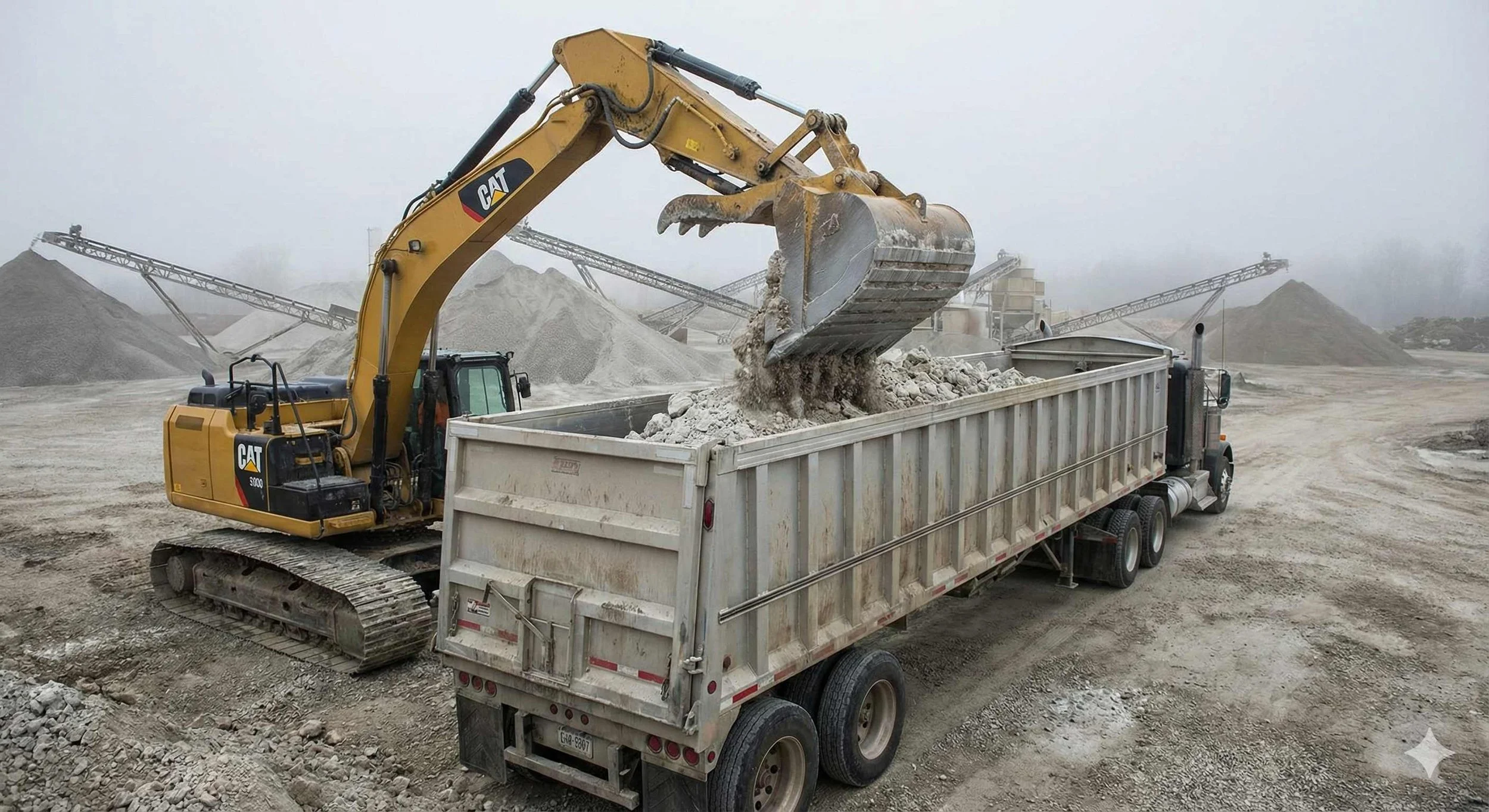
Logistics & Acceptance Criteria
| Accepted Streams | Transport Mode | Disqualification Criteria (Hard No) |
|---|---|---|
| Dewatered Lime Mud (Kraft Process) | End Dumps / Dump Trailers | Liquid Slurries (< 50% Solids) |
| Lime Grit / Slaker Grits | Walking Floors | Requires Vacuum Pump / Tanker |
| Off-Spec Calcium Carbonate | Roll-Off Boxes (Watertight) | High Sulfur or Heavy Metal Contamination |
Stop Paying Landfill Prices for Calcium Carbonate
If you are a paper mill operator or industrial chemical processor, you know the drill: The kiln goes down for maintenance, or production outpaces your recovery boiler, and suddenly you are sitting on thousands of tons of lime mud.
Most waste brokers look at lime mud and see "hazardous sludge." We see Calcium Carbonate feedstock.
Waste Optima operates differently. We leverage the chemical value of your byproduct. Because your lime mud is chemically similar to the raw limestone used in cement manufacturing, we can often route your material directly to cement kilns or soil amendment processors.
The "Drier" Advantage: Why Viscosity Matters
We focus exclusively on stackable, spadeable material. If your material can be moved via an excavator and transported in an end-dump or walking floor trailer, we can likely find a home for it that beats landfill pricing.
Reduced Liability: Beneficial reuse creates a "product" designation, reducing long-tail RCRA liability associated with landfilling.
Volume Velocity: We don't deal in pickups. We structure logistics for 20+ ton loads, clearing silos, bunkers, and pads rapidly during outages.
Regulatory Navigation: We handle the TCLP analysis and Beneficial Use Determinations (BUD) required to get your material approved for off-site reuse.
Targeted Industries & Applications
Pulp & Paper: Excess lime mud and slaker grits from the recausticizing loop.
Water Treatment: Softening sludges (high calcium variant).
Chemical Manufacturing: Precipitator catches and calcium-rich filter cakes.
FAQs Regarding Lime Offtake
What is the minimum solids content you accept?
We generally require material to be "stackable" or pass the Paint Filter Test. If it flows like a liquid, it requires a tanker/vac-truck, which falls outside this specific beneficial reuse program. We are looking for material >50% solids.
Can you handle high-chloride material?
Chlorides are a concern for cement kilns (causing ring formation). However, we have alternative outlets in agricultural soil amendment and structural fill, provided the material passes RCRA metal limits.
Do you provide bins or liners?
We are a logistics architect, not a carrier. We coordinate the transport network and schedule the trucks, but loading equipment and staging are the generator's responsibility. We manage the freight; you load the product.
Ready to Clear the Pad?
Don't let a stockpile bottleneck your production. Get a technical assessment of your lime stream today.
Related Services
Chemicals • Heavy Industrial • Organics • Paper • Plastic • Surplus Inventory