
Surplus Starches & Grains — Liquidation & Resale
We move surplus and off-spec starches, flours, and grains — native and modified food starches, tapioca and potato starch, wheat and rice flours, oats, and specialty grains — by matching documented lots to qualified ingredient buyers and compliant secondary channels. Send us product specs, dates, packaging, and photos; we assess channel fit, price options, and coordinate logistics nationwide.
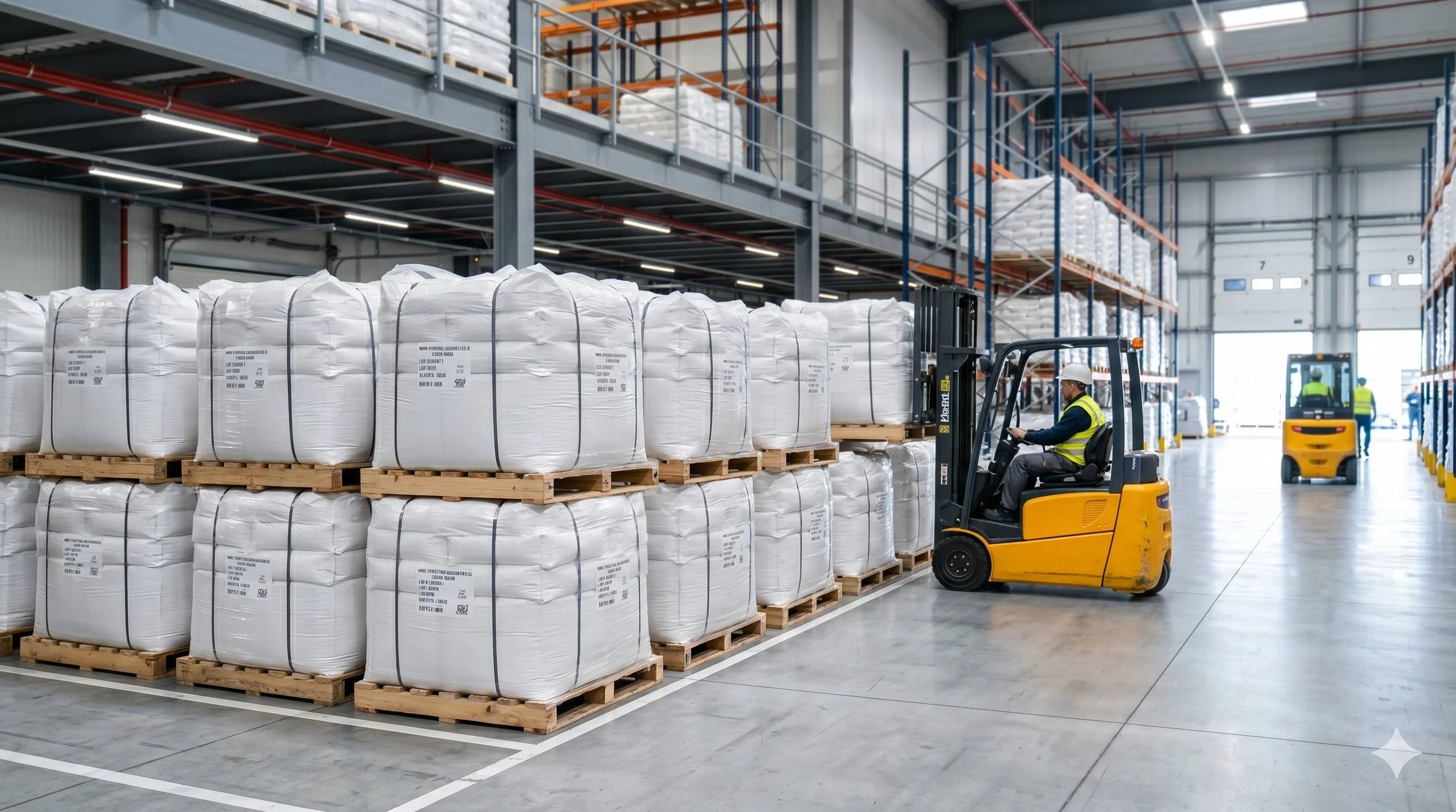
How We Handle Surplus Starches & Grains
Bakeries, snack and cereal manufacturers, co-packers, and ingredient distributors end up with excess starches and flours through reformulations, overproduction, cancelled contracts, and spec changes. We evaluate lot documentation, dates, storage conditions, and packaging, then route to the highest-value compliant channel: ingredient reuse first, secondary food applications next, and feed or industrial recovery as a last resort. Grain-based lots are storage-sensitive, so moisture exposure and pest control history matter as much as the date on the bag.
What We Accept
Material types: Native corn starch, modified food starch, tapioca starch, potato starch, wheat starch, rice starch, pregelatinized starches, wheat flour (all-purpose, bread, pastry), rice flour, corn flour and masa, oat flour, gluten-free flour blends, rolled and steel-cut oats, rice, ancient grains, bran and grain fibers
Forms: Sealed multiwall bags on pallets, sealed supersacks, sealed totes, bulk pneumatic loads (case by case)
Condition: On-spec or off-spec with COA; short-dated; overproduction lots; label-change or reformulation excess; contract cancellations
Volumes: Multi-pallet LTL through full truckload (FTL)
Documentation: Best-by / expiration date, lot number, COA or spec sheet where available, allergen declaration (wheat/gluten status), storage conditions, any channel or geography restrictions
What We Don't Accept for Resale
Open or compromised packaging (torn bags, unsealed supersacks)
Products under active regulatory hold or recall
Adulterated or contaminated lots
Lots with visible insect activity, mold, or water damage
For lots outside resale eligibility, we may be able to offer industrial organics recovery options, including animal feed.
How It Works
Submit specs — Product name, lot/COA, dates, packaging type, quantity by pallet, storage conditions, photos, pickup ZIP, any restrictions
Channel & pricing — We assess ingredient reuse first, secondary food applications next, feed or industrial recovery last; buy-out or brokerage pricing quoted
Logistics — Dry van standard; food-grade carriers available on request; clean, labeled pallets preferred
Reporting — Diversion confirmation, buyer disclosure where required, chain-of-custody documentation available
Logistics & Coverage
Nationwide pickups · Dry van standard · Food-grade carriers on request · Preferred: sealed pallets with packing list by lot · LTL or FTL
Industries We Serve
Bakeries and baked goods manufacturers · Snack, cereal, and pasta manufacturers · Co-packers and contract manufacturers · Ingredient distributors and importers · Distribution centers managing write-downs · 3PL and warehouse facilities holding stranded inventory
FAQs
Q1. What starch and grain products do you handle? A. Native and modified food starches, tapioca and potato starch, wheat and rice flours, oats, and specialty grains. Bulk pneumatic loads are reviewed case by case.
Q2. Do you accept short-dated or expired flour and starch? A. Short-dated lots with intact packaging and a COA are reviewed for resale. Expired lots are evaluated individually and may route to animal feed recovery if they meet that channel's requirements.
Q3. Does the lot need a COA? A. A COA significantly expands buyer options and speeds placement. We can work without one in some cases, but expect a narrower buyer pool and longer timelines.
Q4. Why do storage conditions matter for starches and grains? A. Flours and grains absorb moisture and are vulnerable to stored-product insects. Buyers ask how and where a lot was stored, so dry, climate-controlled storage with an intact pest control program widens your options.
Q5. Can we restrict resale to certain channels or geographies? A. Yes. Brand protection, export restrictions, and channel exclusions are honored. We screen buyers accordingly before disclosure.
Q6. What's the minimum volume you'll review? A. A few pallets can be reviewed, but truckload volumes generate the strongest buyer interest and best economics.
Get a Quote
Include product name, lot/COA if available, best-by date, packaging type, quantity by pallet, storage conditions, photos, pickup ZIP, and any channel restrictions.
Looking to buy surplus starches and grains? → Buy surplus starches & grains