
Dig Deeper with Waste Optima’s Blog Posts
Explore Waste Optima’s industrial recycling blog for practical guides, examples, and frameworks on landfill diversion and beneficial reuse. Articles help manufacturers, warehouses, and EHS teams improve costs, operations, and environmental performance across plastics, metals, chemicals, organics, and surplus inventory.
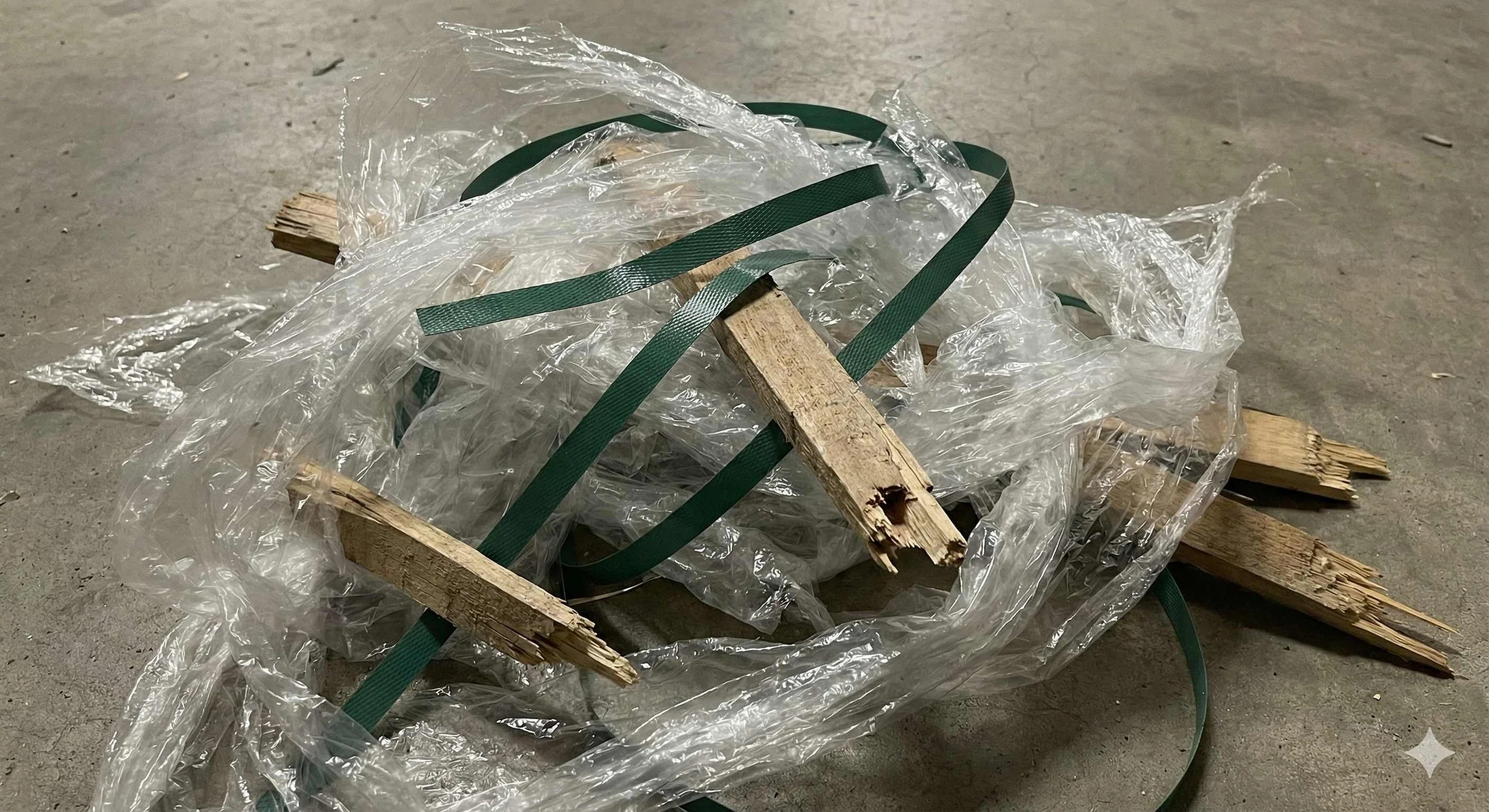
The 3 Enemies of Film Recycling: Why Mills Reject Industrial Bales
The most expensive load of recycling is the one that gets rejected.
Imagine this scenario: Your team works hard to bale 40,000 lbs of plastic film. You ship it to a processor. Upon arrival, they cut open the first bale and find it full of rigid banding and wood chips. The entire load is rejected. You are now on the hook for the return freight and the landfill disposal fees.
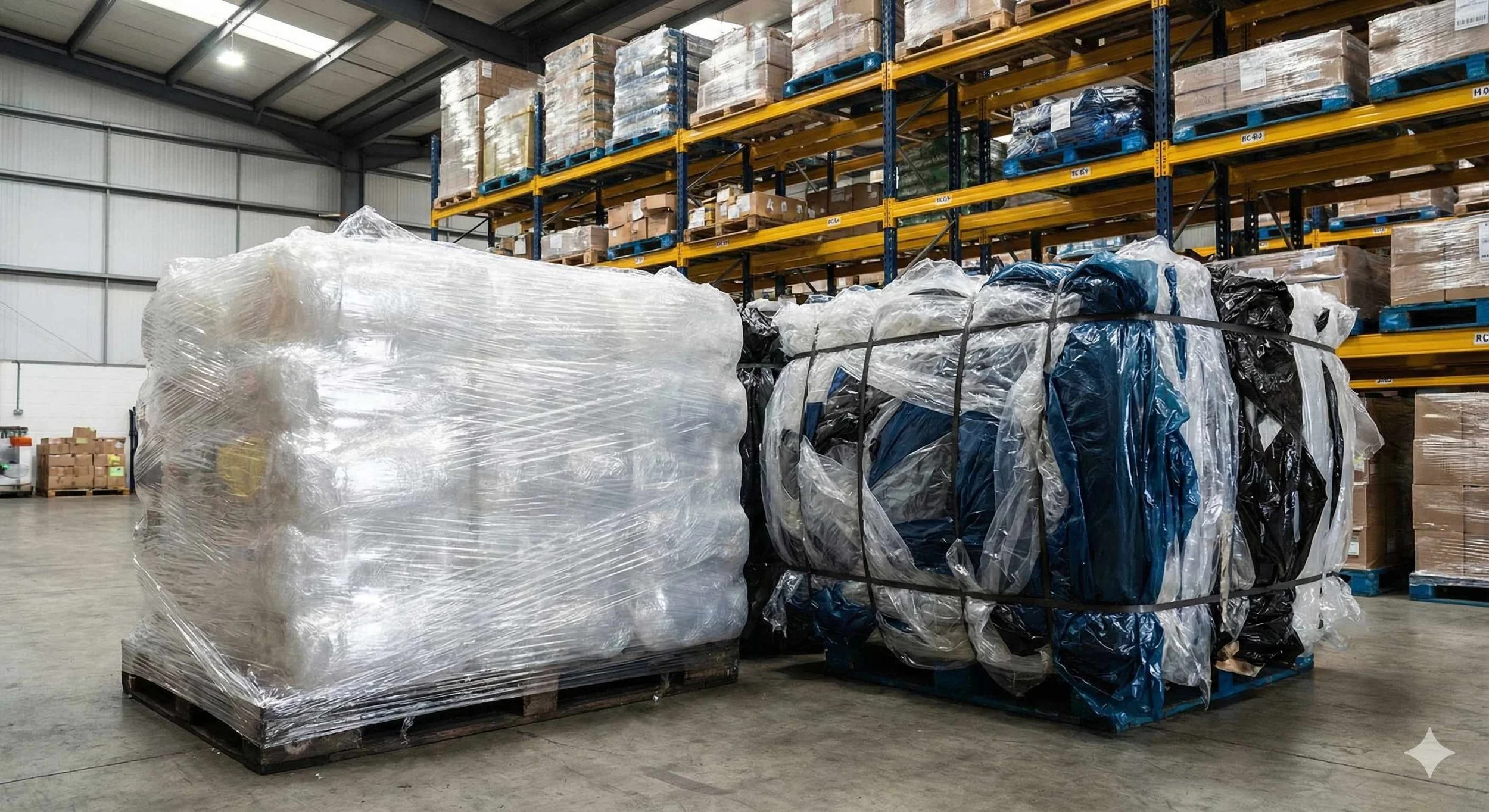
Grade A vs. Grade B: How to Maximize Your Shrink Wrap Recycling Rebates
For high-volume distribution centers, baled plastic film (LDPE/LLDPE) is often the most valuable recyclable commodity generated on-site. However, many facilities treat their baler like a trash can, mixing clear shrink wrap, colored pallet bands, and shipping labels into a single "mixed" bale.
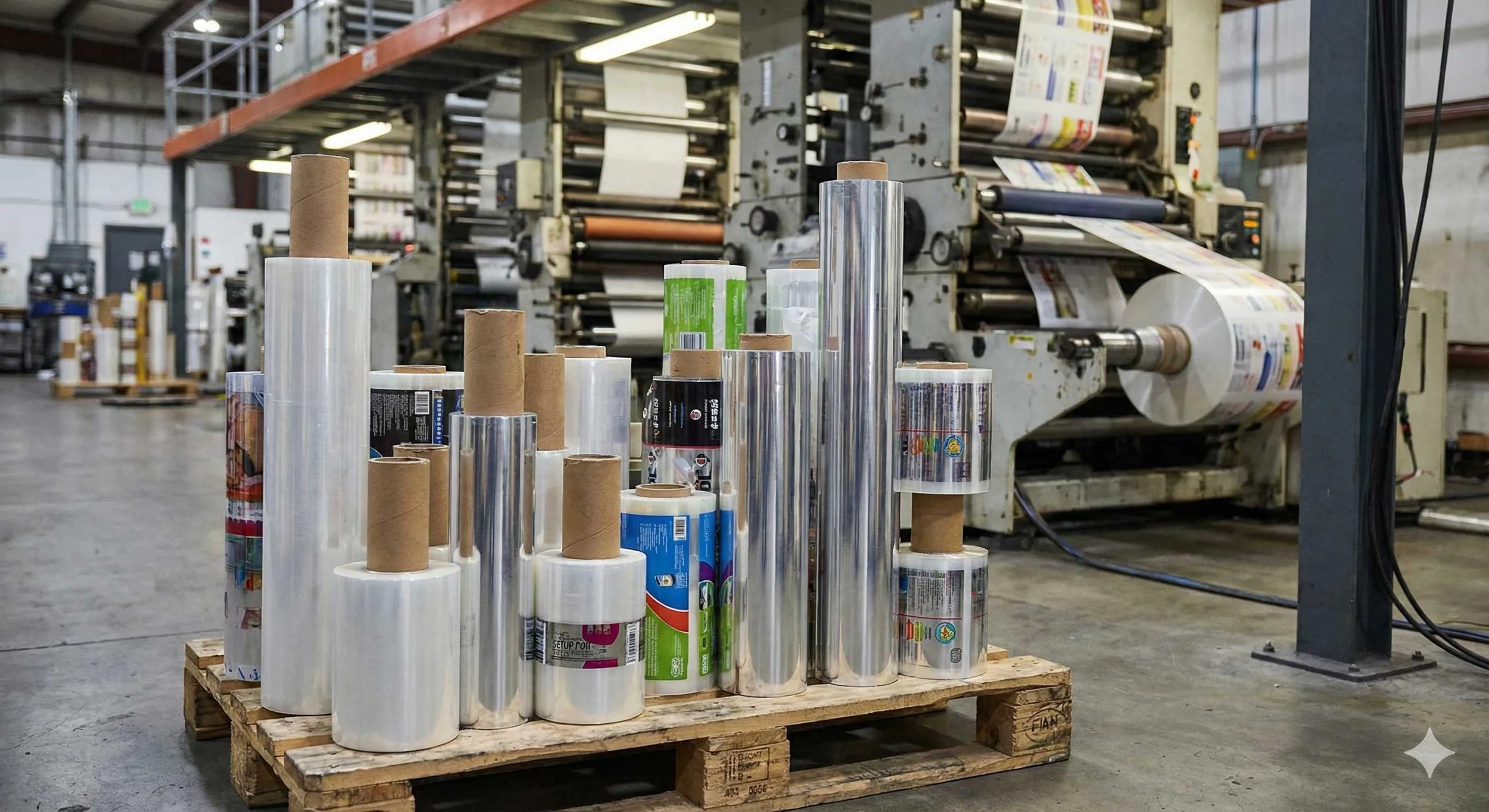
Beyond the Baler: Maximizing Value for BOPP and PET Setup Rolls
For flexible packaging converters, waste is an unavoidable part of the process. Every time a flexographic or rotogravure press is set up for a new run, hundreds of pounds of "setup rolls" are generated to align the registration and color.
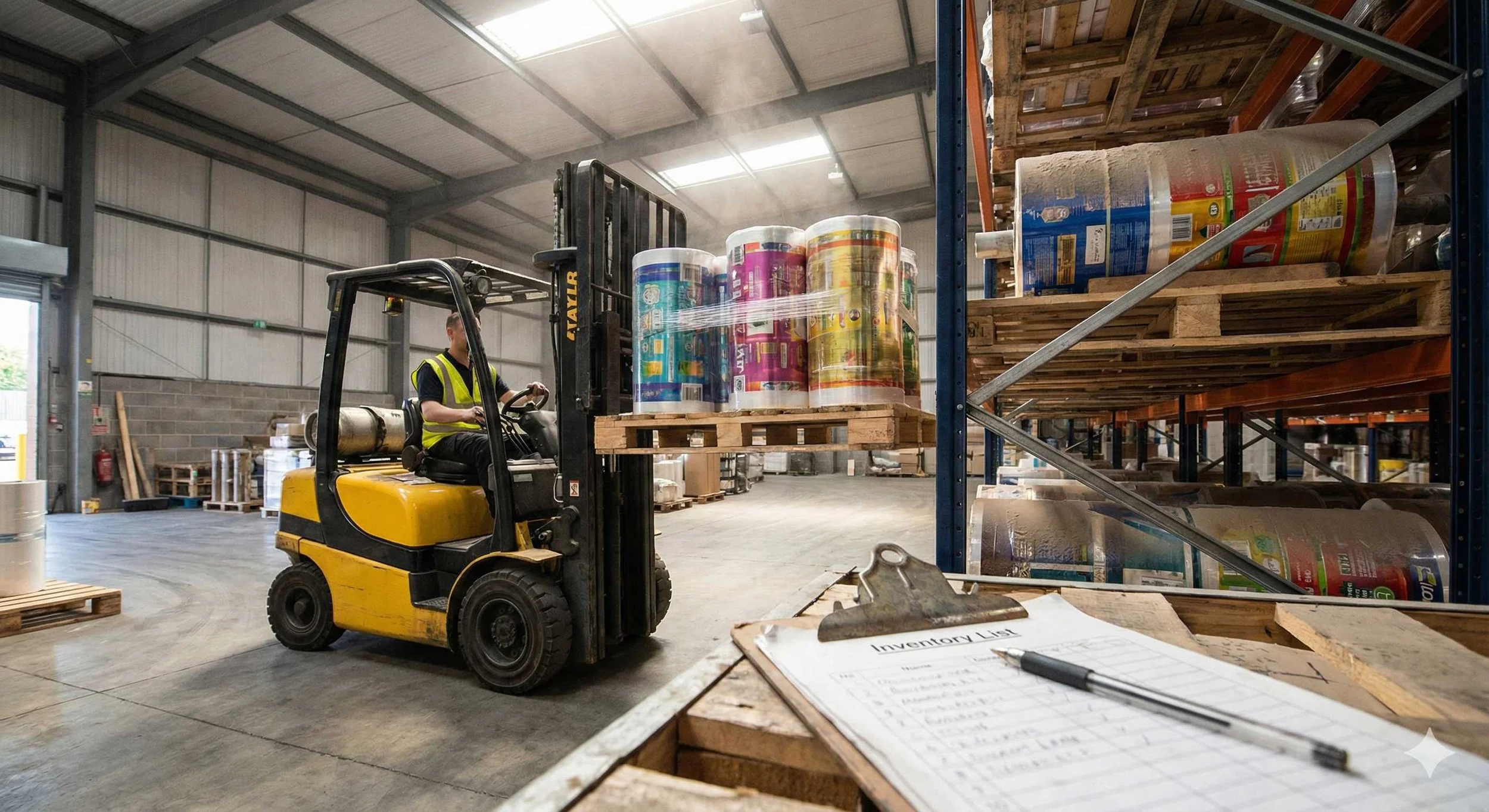
Design Change? Don't Dump Your Obsolete Packaging Film
In the fast-moving world of Consumer Packaged Goods (CPG), change is constant. A marketing refresh, a new nutritional label requirement, or a seasonal promotion often leaves the operations team with a massive headache: Pallets of obsolete film rolls.

Industrial Plastic Film Recycling: Why Baling Is the Only Scalable Option
The only practical way to recycle large volumes of plastic film from plants and warehouses is to bale it. Baling turns fluffy, hard-to-ship film into dense, consistent blocks buyers accept—cutting trash pulls and often earning a rebate. Start with a vertical baler near your stretch-wrap stations, keep film clean and separate, and ship full truckloads on a set schedule.
EPDM Rubber Recycling for Manufacturers
Ethylene Propylene Diene Monomer (EPDM) rubber has become one of the most widely used synthetic elastomers in the world. Known for its durability, weather resistance, and versatility, EPDM is everywhere—from roofing membranes to automotive seals.

Corrugated Plastic Recycling: Best Practices
Corrugated plastic, commonly known under trade names such as Coroplast, Correx, or Polyflute, really emerged in the 1990s as a lightweight, durable alternative to corrugated fiberboard (Coroplast).