Design Change? Don't Dump Your Obsolete Packaging Film
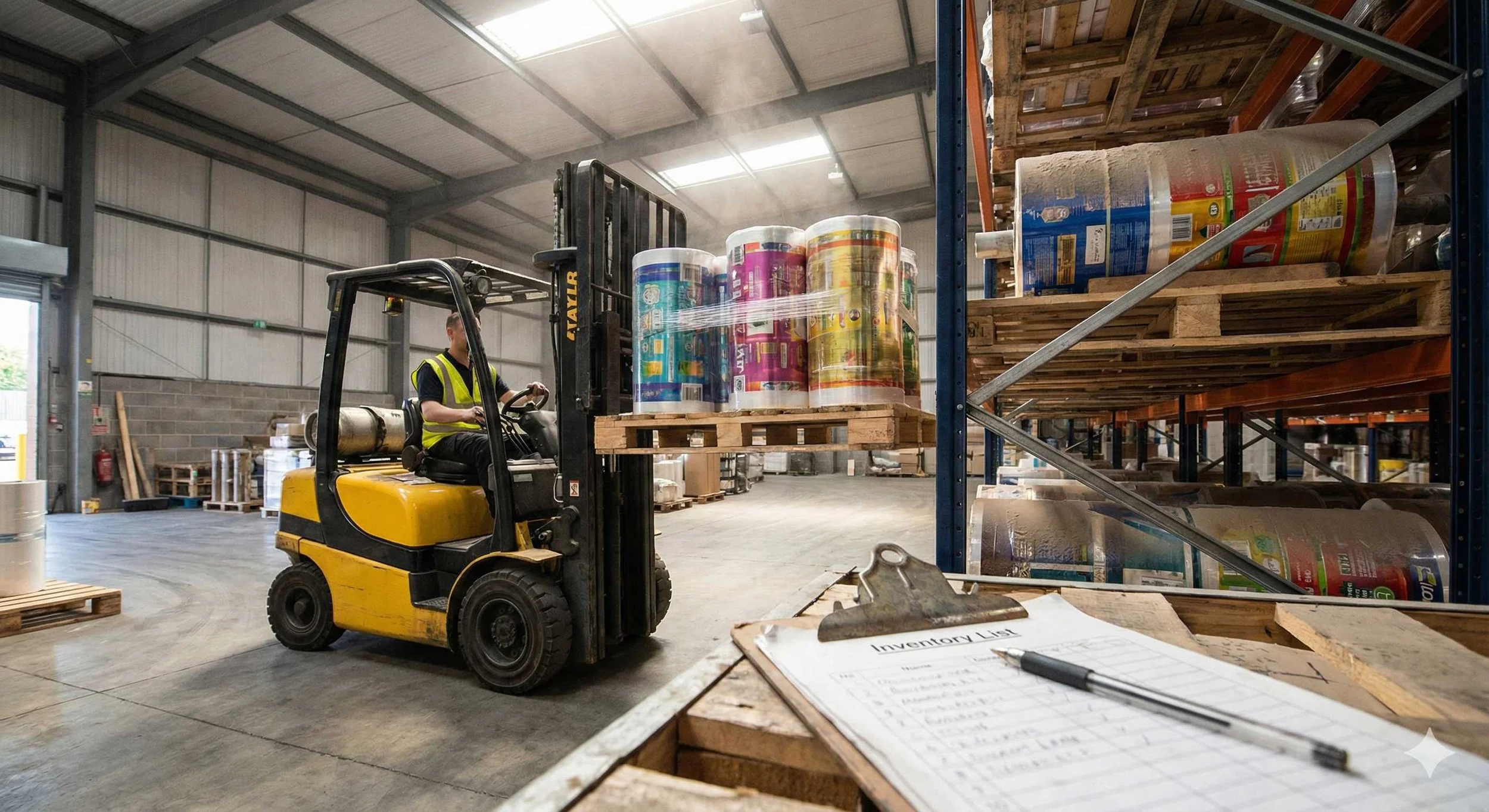
In the fast-moving world of Consumer Packaged Goods (CPG), change is constant. A marketing refresh, a new nutritional label requirement, or a seasonal promotion often leaves the operations team with a massive headache: Pallets of obsolete film rolls.
This material—pristine, high-quality plastic that simply has the "wrong" picture printed on it—often sits in the warehouse gathering dust until it is eventually written off and thrown in a dumpster.
This is a double loss: you lose the capital tied up in the inventory, and you pay for its disposal.
At Waste Optima, we treat obsolete roll stock as Post-Industrial Feedstock, not waste. Even heavily printed film has significant commodity value if managed correctly.
"Obsolete" Does Not Mean "Trash"
To a recycler, your packaging film is simply a polymer resource. Whether it is BOPP (snack bags), PET (lidding film), or LDPE (shrink film), the plastic underneath the ink is valuable.
Unprinted (Virgin) Rolls: If you have master rolls that were never printed, these command the highest value. They can often be sold into secondary markets for construction or agricultural use.
Printed Rolls: While ink does add a contaminant, modern recycling lines can process printed film. The material is shredded, melted, and filtered to create grey or black pellets (repro) used for industrial products like crates, pallets, and piping.
Brand Protection: The Destruction Guarantee
We understand that you cannot risk your "Old Design" packaging leaking into the gray market or being used by counterfeiters.
Security is our priority. Unlike a liquidation sale where goods are reused, our Recycling Program ensures total destruction.
Guillotine Cutting: Rolls are sliced off the core, rendering them unusable for packaging.
Shredding/Granulation: The plastic is ground into confetti-sized flakes.
Melting: The flakes are extruded into pellets.
We provide Certificates of Destruction for every load, giving your legal and brand teams total peace of mind.
Obsolete Inventory Value Matrix
| Film Condition | Process Path | Value Tier |
|---|---|---|
| Virgin / Unprinted | Resale (Reuse) | $$$ (High) |
| Lightly Printed | Clear/Mixed Regrind | $$ (Medium) |
| Heavily Printed / Metallized | Dark/Black Regrind | $ (Low / Cost Neutral) |
| Laminated Barrier | Engineered Fuel / Lumber | Disposal Cost Avoidance |
The Financial Impact
Moving obsolete film from "Waste" to "Recovery" changes your P&L.
Eliminate Disposal Costs: Stop paying $50-$80 per ton to landfill plastic.
Generate Scrap Revenue: Depending on the polymer market (CMA), you can receive a rebate for every pound of material recovered.
Tax Write-Offs: Proper liquidation of inventory can assist with inventory write-down procedures (consult your tax professional).
Frequently Asked Questions
Do you take rolls with cardboard cores?
Yes. You do not need to unwind thousands of feet of film. Our partners utilize core-splitters to separate the fiber from the plastic efficiently.
What about multi-layer laminates?
Laminates (e.g., PET laminated to PE) are harder to recycle because the polymers don't mix. However, we have specialized outlets for these "difficult" streams, often utilizing them for engineered lumber or high-BTU energy recovery.
Is there a minimum volume?
For roll stock, we generally look for truckload quantities (approx. 40,000 lbs) or LTL loads of at least 10 pallets to make the freight economics work for you.
Clear Your Racks
Don't let dead stock eat up your warehouse space. Contact Waste Optima to liquidate your obsolete film. We will assess your inventory list and provide a recovery plan that protects your brand and your bottom line.