Too Wet to Burn, Too Rich to Bury: Anaerobic Digestion for DAF Sludge
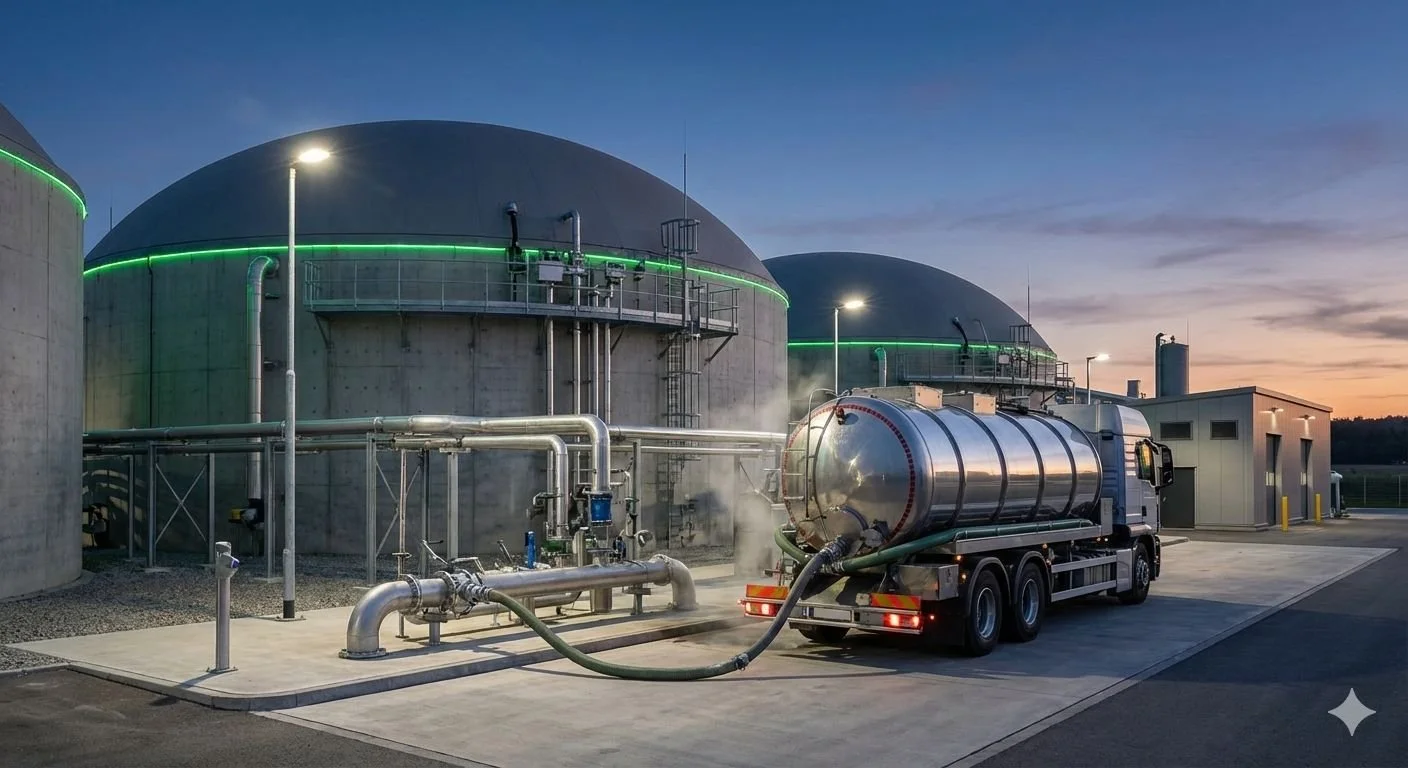
For food and beverage manufacturers, the on-site wastewater treatment plant is often the biggest headache in the facility. The primary byproduct—Dissolved Air Flotation (DAF) sludge—is a logistical nightmare.
It is too wet for the landfill (often failing paint filter tests). It is too oily for composting (slowing down the biological process). And it is incredibly expensive to haul.
However, the very traits that make DAF sludge a disposal problem—high moisture and high caloric density from Fats, Oils, and Grease (FOG)—make it a perfect fuel source for Anaerobic Digestion (AD).
Waste Optima connects food processors via our Organic Filter Cake & Biomass Management network of biogas facilities that view your oily sludge not as waste, but as "rocket fuel" for renewable energy production.
Why Digesters Want Your "Problem"
Anaerobic digesters rely on a balanced diet to produce methane (Biogas). While they often run on manure or wastewater, they need high-strength organic boosters to maximize gas production. Similar to our solid high-fat waste recycling programs, digesters thrive on lipids.
Your DAF sludge provides:
FOG (Fats, Oils, Grease): Has the highest biomethane potential of any organic substrate.
Pumpability: Digesters are liquid systems. They want pumpable slurry, unlike landfills that reject it.
Consistency: Industrial streams are predictable, allowing digester operators to stabilize their biology.
The Economics of Diversion
Moving DAF sludge to a digester is often an immediate cost reduction compared to traditional disposal methods.
Avoid Solidification Fees: Landfills charge massive premiums to mix sawdust or soil into your sludge to make it solid. Digesters accept it liquid.
Lower Freight Costs: By using vacuum tankers instead of lined roll-offs, we maximize payload volume.
Sustainability: Methane captured in a closed-loop digester creates renewable electricity or Renewable Natural Gas (RNG), significantly lowering your facility's carbon footprint compared to landfill methane emissions.
Sludge Recovery Matrix
| Waste Stream | Primary Challenge | Digester Advantage |
|---|---|---|
| Meat Processing DAF | High FOG / Odor | Excellent Gas Production |
| Dairy Sludge | High Liquid Content | Easily Pumpable |
| Snack Food Oil Waste | Messy / Viscous | High Caloric Energy Value |
| Beverage Wastewater | High BOD / Sugar | Rapid Digestion Speed |
Handling Logistics: Vacuum vs. Roll-Off
The key to DAF logistics is containment. DAF sludge is notorious for leaking, smelling, and attracting pests.
Vacuum Tankers: Ideally, we pump directly from your DAF holding tank. This is the cleanest, most odor-free method.
Sealed Compaction: For dewatered DAF cake, we utilize watertight self-contained compactors or gasketed sludge boxes to ensure zero roadway leaks.
Frequently Asked Questions
Do you accept meat processing sludge?
Yes. DAF sludge from poultry, beef, and pork processing is extremely high in fat and is a premium feedstock for digesters. We ensure the facility is permitted for animal byproducts.
What about pH levels?
Digesters prefer a neutral pH (6-8). If your DAF process uses heavy doses of caustic or acid for coagulation, we may need to neutralize the stream or find a specialized facility.
Is this renewable energy?
Yes. The biogas produced from your waste is often injected into the grid as Renewable Natural Gas (RNG) or used to power the digester facility itself, creating a true circular economy loop.
Turn Your FOG into Fuel
Stop fighting with your landfill over wet loads. Contact Waste Optima to schedule a sample collection. We will analyze your DAF sludge for Biomethane Potential (BMP) and connect you with a renewable energy partner.