Grade A vs. Grade B: How to Maximize Your Shrink Wrap Recycling Rebates
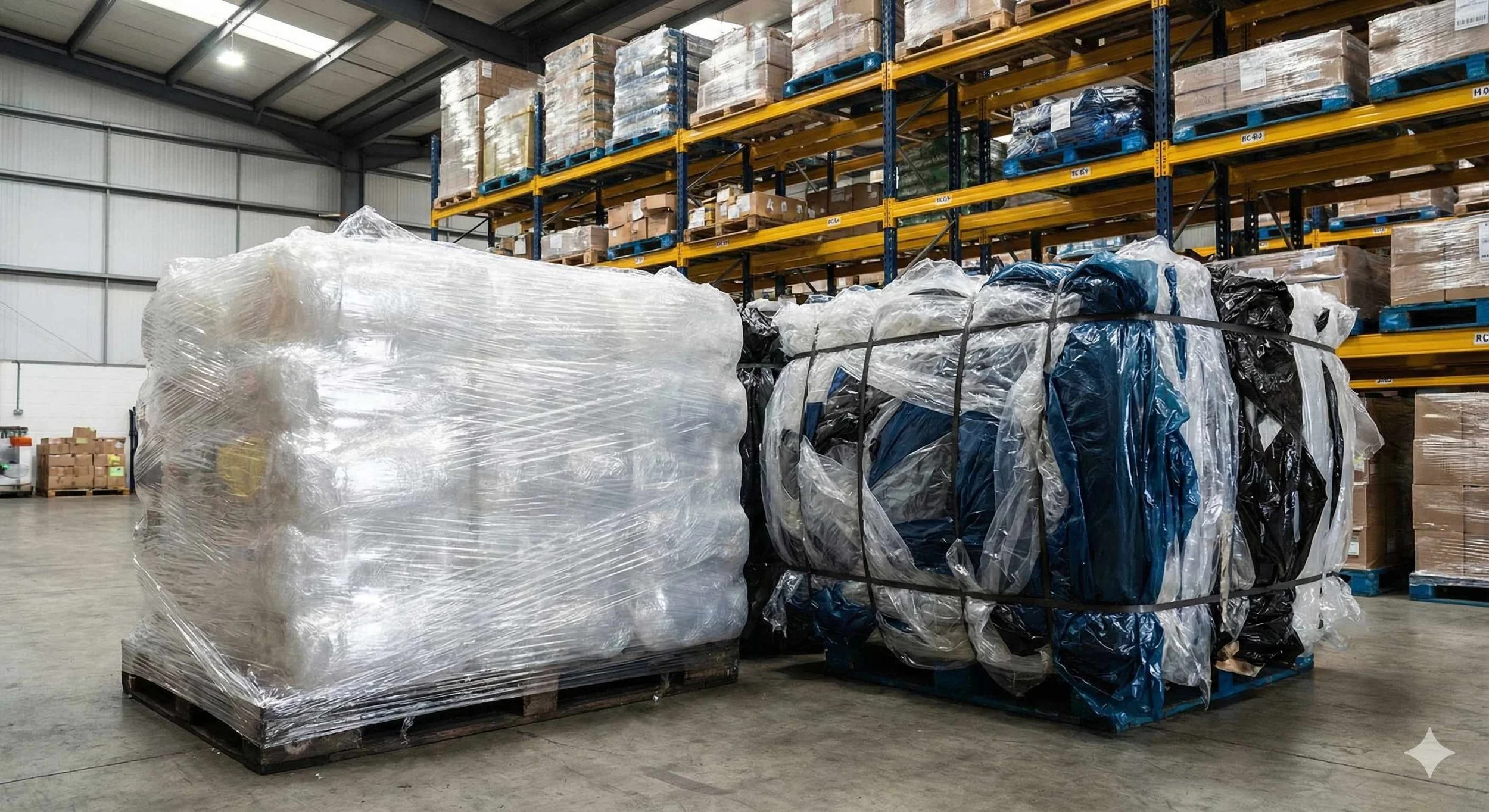
For high-volume distribution centers, baled plastic film (LDPE/LLDPE) is often the most valuable recyclable commodity generated on-site. However, many facilities treat their baler like a trash can, mixing clear shrink wrap, colored pallet bands, and shipping labels into a single "mixed" bale.
In the recycling market, clarity equals value.
By mixing colored or contaminated film into your clear stream, you are voluntarily downgrading your material from "Grade A" to "Grade B" (or worse). This single operational oversight can cost your facility thousands of dollars per month in lost scrap revenue.
To maximize your return, your dock team needs to understand exactly what the mills are buying.
The Gold Standard: Grade A Film
Grade A is the premium standard for post-commercial film. It is highly sought after by domestic processors because it can be turned back into high-clarity products (like new shrink wrap or trash bags).
The Grade A Specification:
95% - 100% Clear: No colored tint.
Clean & Dry: No mud, no food residue, no moisture inside the bale.
Minimal Labels: Paper labels are acceptable but should be minimal (< 2%).
No Strapping: Absolutely zero PET or PP strapping.
If your facility generates Grade A bales, you should be receiving a top-tier rebate linked to market index pricing (like CMA).
The Common Reality: Grade B Film
Grade B is still a recyclable commodity, but it requires more processing (more filtration and color sorting) downstream. Therefore, it commands a lower price.
The Grade B Specification:
Mixed Color: Clear film mixed with blue, black, or green shrink wrap.
Higher Contamination: Up to 10-20% labels or tape.
Strapping: Some loose strapping may be tolerated, but it lowers the value significantly.
The "Value Gap" Strategy
The price difference between Grade A and Grade B is not pennies; it can be substantial depending on the export market conditions.
The Strategy: Two-Stream Baling If your facility generates significant volumes of colored film (e.g., from specific vendors), do not bale it with your clear film.
Accumulate: Set aside colored film in a gaylord box.
Batch Bale: When you have enough for a full bale, run it separately.
Result: You produce 10 bales of Premium Grade A and 1 bale of Grade B, rather than 11 bales of low-value Mixed Grade.
Film Grade Comparison Matrix
| Specification | Grade A (Premium) | Grade B (Standard) |
|---|---|---|
| Color | 95% Clear / Natural | Mixed Colors Allowed |
| Labels | < 2% Paper Labels | < 20% Labels/Tape |
| Strapping | Zero Tolerance | Some Tolerance |
| Market Value | $$$ Highest Rebate | $ Variable Value |
The "Grade Killers" (What to Avoid)
Even a clear bale can be rejected if it contains "prohibited items." Ensure your staff knows the three enemies of film recycling:
Rigid Plastic: Strapping bands (PET) do not melt at the same temperature as film (LDPE). They are a major contaminant.
Moisture: Wet bales (stored outside) are often downgraded due to mold risk and water weight.
PVC: Vinyl pallet covers look like LDPE but release chlorine gas when melted. Keep them out.
Note: If you have full unused rolls, that is considered roll stock and should not be baled.
Frequently Asked Questions
Does the film need to be perfectly clean?
"Industrial clean" is the standard. Dust from the warehouse is fine. Mud, grease, or food residue is not.
Can we leave paper shipping labels on the wrap?
Yes. In Grade A film, paper labels are acceptable as long as they are not excessive. The recycling wash lines are designed to float off paper labels.
What is the minimum weight for a mill-direct bale?
To maximize freight efficiency, we target "Mill Size" bales, which are typically 60" wide and weigh 1,000 - 1,200 lbs. Lighter bales mean you are shipping air, which eats into your rebate.
Audit Your Bales
Are you getting paid for Grade A but shipping Grade B? Or worse—shipping Grade A and getting paid for Grade B? Contact Waste Optima for a scrap valuation. We will inspect your material quality and provide a transparent, index-based quote.