
Dig Deeper with Waste Optima’s Blog Posts
Explore Waste Optima’s industrial recycling blog for practical guides, examples, and frameworks on landfill diversion and beneficial reuse. Articles help manufacturers, warehouses, and EHS teams improve costs, operations, and environmental performance across plastics, metals, chemicals, organics, and surplus inventory.

Is Your Byproduct Feed-Grade? The Industrial Qualification Guide
For industrial food manufacturers, the line between "Trash" and "Commodity" is often defined by a single question: Is it safe for an animal to eat?
While the concept of diverting food waste to animal feed is simple, the execution requires strict adherence to quality standards. Manufacturers are often hesitant to explore feed diversion because they fear liability or regulatory non-compliance.
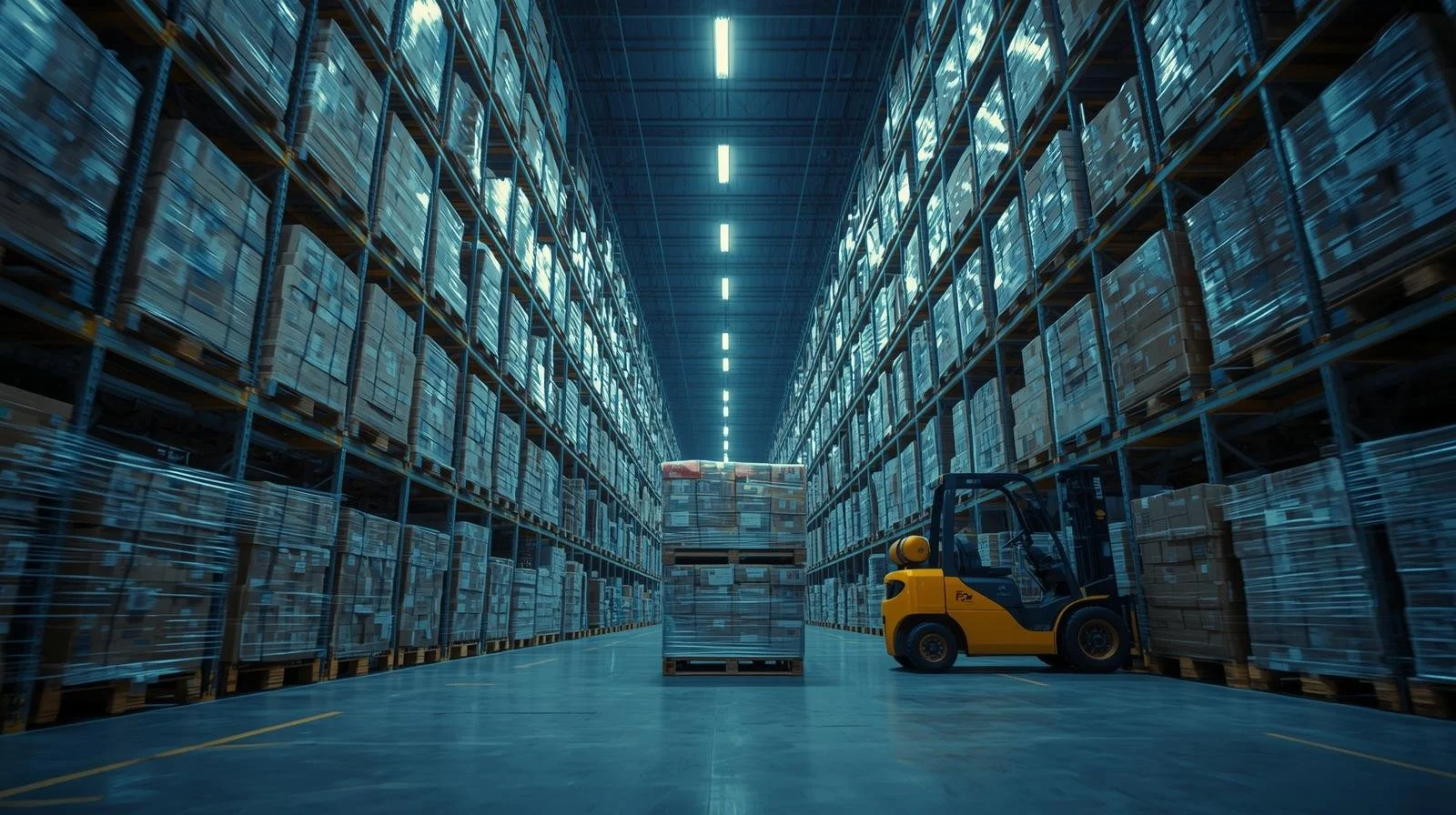
The Pallet Problem: Solving Bulk Disposal for Finished Food Inventory
For cold storage operators and distribution center managers, few words are more dreaded than "Recall" or "Expired Stock."
When a full truckload of frozen pizzas, cookies, or packaged meats hits its expiration date, it stops being an asset and becomes a massive logistical liability. You are left with a difficult choice: pay exorbitant landfill tipping fees for heavy organic weight, or pay your own labor force to manually unwrap thousands of units to recycle the food.
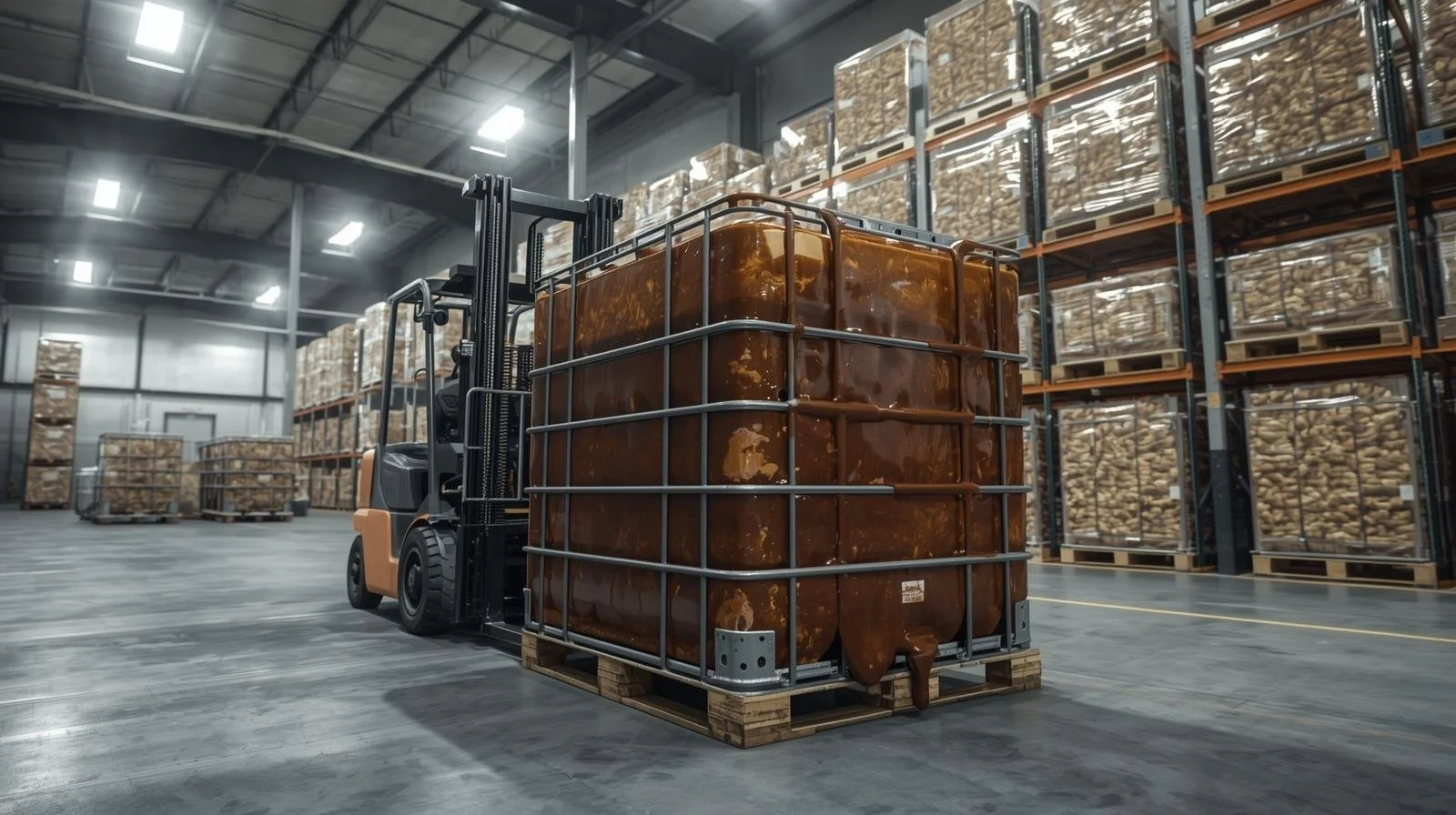
From Liability to Lipid: Monetizing High-Fat Industrial Waste
In the world of waste management, few things are as operationally difficult as "sticky" waste. For manufacturers of nut butters, chocolates, and fried snacks, disposing of off-spec product is a nightmare. It is heavy, it clogs standard compactors, and commercial composters often reject it due to the high fat content slowing down their breakdown process.
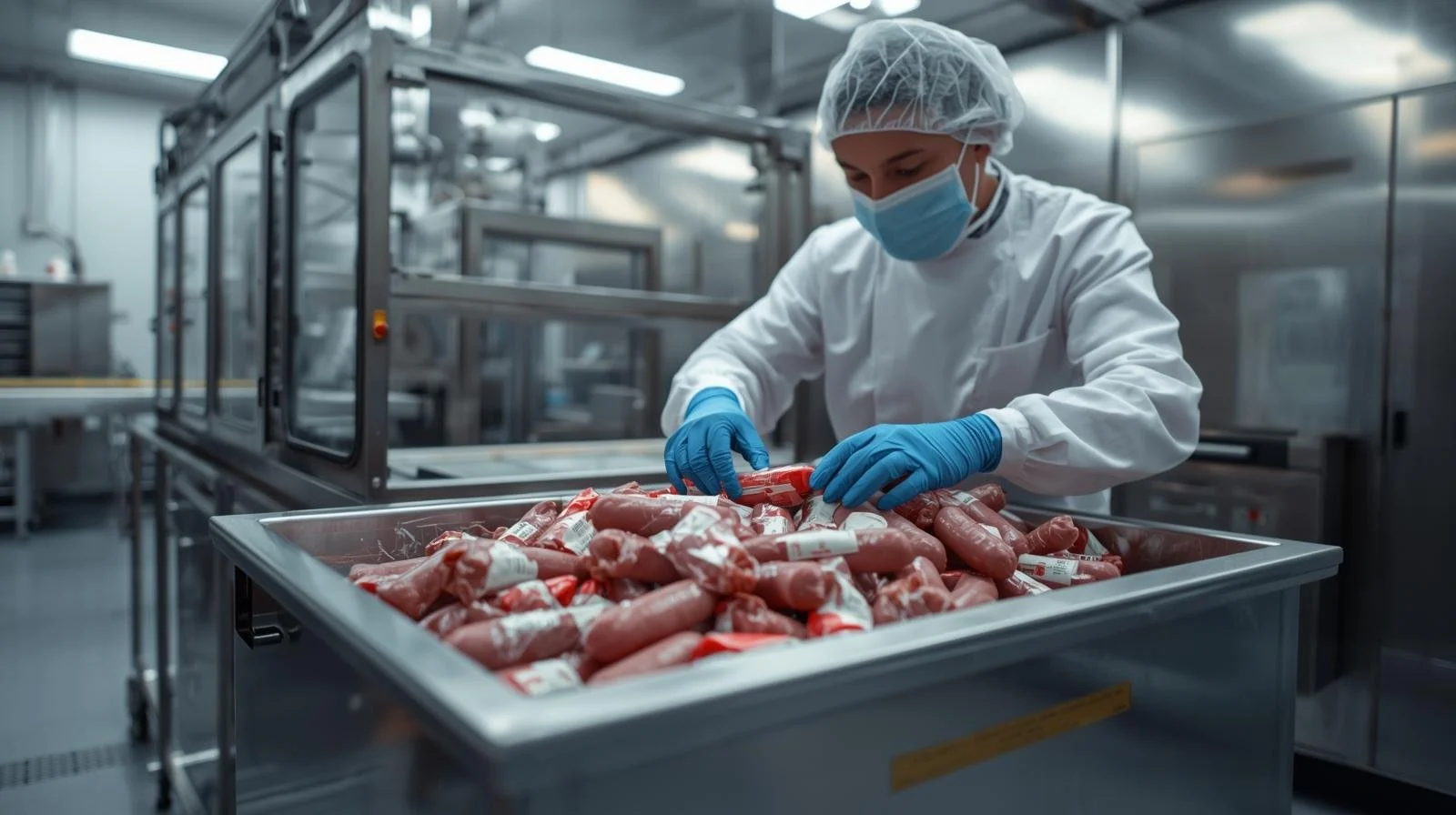
Beyond Rendering: The Industrial Guide to Recycling Cured & Processed Meats
For facility managers at meat processing plants, "waste" usually means one of two things: sending raw slaughter material to a rendering plant or sending finished, off-spec goods to a landfill. Both options are expensive. Rendering fees fluctuate with commodity markets, and landfilling organic waste carries heavy weight-based tipping fees—not to mention the environmental impact on your Scope 3 emissions.