Is Your Byproduct Feed-Grade? The Industrial Qualification Guide
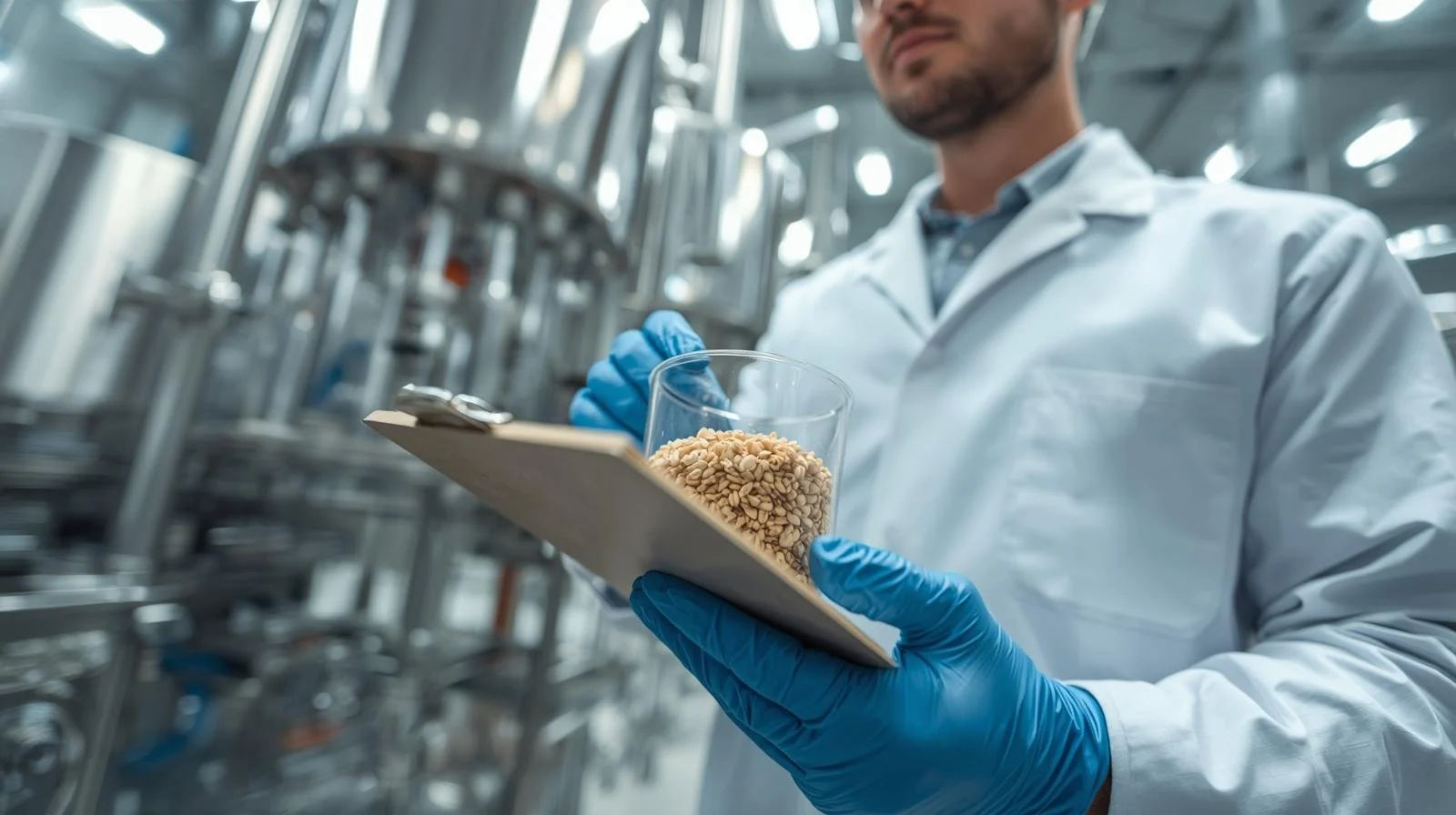
For industrial food manufacturers, the line between "Trash" and "Commodity" is often defined by a single question: Is it safe for an animal to eat?
While the concept of diverting food waste to animal feed is simple, the execution requires strict adherence to quality standards. Manufacturers are often hesitant to explore feed diversion because they fear liability or regulatory non-compliance.
At Waste Optima, we bridge the gap between manufacturing byproducts and the agricultural supply chain. To help you determine if your waste stream is a candidate for cost-saving diversion, we evaluate every material against three critical pillars: Moisture, Pathogens, and Physical Contaminants.
Pillar 1: Moisture Content (The "Dry" Rule)
The animal feed market generally prizes Dry Matter. Moisture is heavy (increasing freight costs) and promotes bacterial growth (reducing shelf life).
Ideal Candidates: Bakery meal, dry cookies, crackers, flour, and grains. These are shelf-stable and easy to store.
Acceptable High-Moisture: High-fat pastes (peanut butter) or syrups. While "wet," they are chemically stable due to sugar or fat content.
The Dealbreaker: Water-based sludge or wash-down water. If your waste is mostly water (like vegetable wash), it is likely better suited for Anaerobic Digestion, not Animal Feed.
Pillar 2: The "Kill Step" (Pathogen Control)
Under the Food Safety Modernization Act (FSMA), safety is paramount. We cannot feed raw materials that carry a high risk of Salmonella or E. coli into the food supply chain without further processing.
This is why we distinguish between Raw and Processed waste.
Processed Meats: Hot dogs, pepperoni, and jerky have usually undergone a thermal "kill step" (cooking/smoking) during manufacturing. This makes them excellent feed candidates.
Raw Scraps: Raw chicken trim or slaughter waste often requires "rendering" (high-heat cooking) before it is safe.
Pillar 3: Physical Contamination (Zero Tolerance)
The quickest way for a load to be rejected—and for a facility to be banned from a feed program—is physical contamination. Animals cannot digest glass, hard plastic, or metal.
While we offer mechanical depackaging for soft packaging (wrappers, cardboard, foil), we must ensure the internal product is free of foreign objects.
The "Go / No-Go" Audit Checklist
| Criteria | Feed-Grade (Yes) | Landfill/Digester (No) |
|---|---|---|
| Moisture Content | Dry, Semi-Dry, or High-Fat (Pastes/Oils) | Liquid Sludge, Wash Water, Low-Calorie Liquids |
| Packaging | Plastic, Cardboard, Foil, Aluminum | Glass, Porcelain, Hazardous Containers |
| Purity | Production Scrap, Expired Inventory | Post-Consumer Plate Scrap (Cafeteria Waste) |
| Safety | Cooked, Cured, Baked, or Dried | Raw Slaughter Waste, Moldy/Rotting Material |
Why Qualification Matters
Qualifying your material as "Feed-Grade" changes the economics of your disposal.
Lower Costs: Feed markets are often cheaper to access than sanitary landfills.
Regulatory Compliance: Proper qualification ensures you are meeting FSMA requirements for animal food.
Operational Stability: Clean streams are picked up regularly. Contaminated streams result in missed pickups and rejected loads.
Schedule Your Material Audit
Unsure if your byproduct meets the spec? Waste Optima provides on-site waste audits to characterize your stream. We sample the material, assess the packaging, and determine the most cost-effective diversion path.