From Liability to Lipid: Monetizing High-Fat Industrial Waste
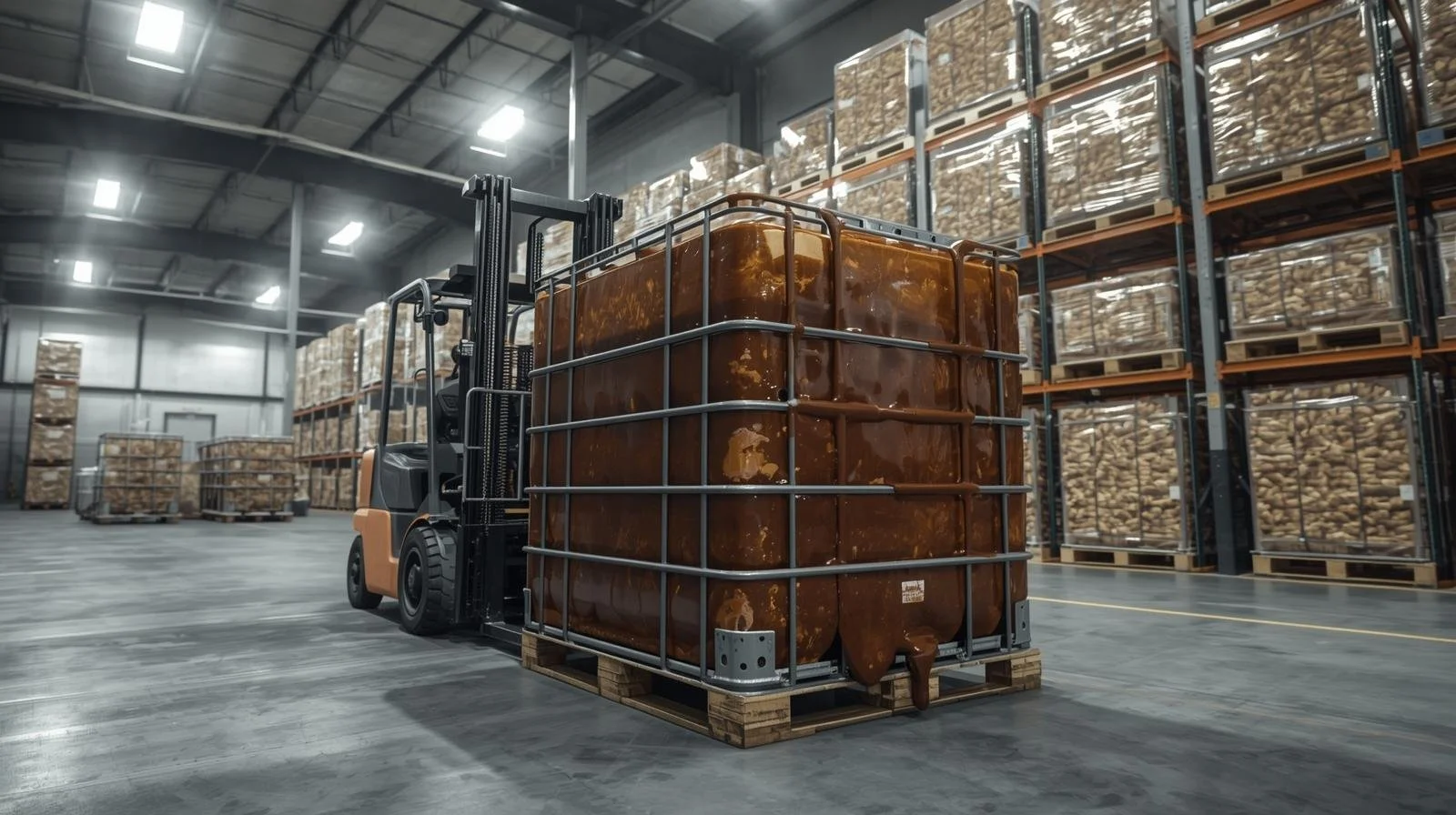
In the world of waste management, few things are as operationally difficult as "sticky" waste. For manufacturers of nut butters, chocolates, and fried snacks, disposing of off-spec product is a nightmare. It is heavy, it clogs standard compactors, and commercial composters often reject it due to the high fat content slowing down their breakdown process.
However, in the animal feed market, fat is fuel.
Livestock producers are constantly seeking cost-effective ways to increase the caloric density of their feed rations. By shifting your perspective from "disposal" to "energy recovery," your facility can turn its heaviest, messiest liabilities into a highly sought-after commodity.
The "Caloric Value" Proposition
Unlike general trash, which is priced by volume or weight, feed ingredients are valued by their nutritional profile. High-fat and high-sugar waste streams are premium energy sources.
Fats (Lipids): Contain 2.25 times more energy per pound than carbohydrates.
Sugars: Provide rapid energy for livestock metabolism.
If your waste stream is dense in fat or sugar, you shouldn't be paying landfill tipping fees—you should be leveraging a feed diversion program.
Target Materials: What We Recover
We specialize in bulk removal of high-viscosity and solid high-energy foods. We service large-scale bakeries, confectioneries, and snack food plants.
Common "Energy" Streams Include:
Nut Butters: Expired or off-spec peanut butter, almond butter, and cashew paste.
Chocolate & Confectionery: Bulk chocolate blocks, candy bars, fondants, and syrups.
Fried Snack Waste: Potato chips, corn chips, and other oil-rich snack foods.
Industrial Fats: Shortening, lard, and vegetable oils (totes or drums).
The Energy Matrix: Material Acceptability
| Stream Type | Feed Value | Best Handling Method |
|---|---|---|
| Nut Butters & Pastes | 🔥 Premium (High Energy) | Drums, Totes, or Palletized Jars (Depackaging) |
| Bulk Chocolate | ⚡ High (Sugar/Fat) | Solid Blocks/Gaylords or Wrapped Pallets |
| Fryer Oil / Shortening | 🔥 Premium (Lipid) | Pump Trucks or IBC Totes |
| Fried Snacks (Chips) | ✅ Standard (Carb/Fat) | Compacted Bales or Bulk Bins |
Handling the "Mess": Totes, Drums, and Depackaging
The primary reason facilities landfill these materials is the logistical difficulty of handling them. "How do I recycle 50 drums of expired peanut butter without scooping it out?"
Waste Optima solves the logistics of the "mess."
Depackaging: We process full pallets of jarred nut butters or wrapped chocolate bars. Our crushers separate the plastic/glass packaging from the organic content.
Bulk Liquid Handling: We can pump out tanks or collect IBC totes and drums of flowable product.
Solid Blocks: We handle gaylords or solid blocks of chocolate and fat for grinding and re-melting into feed additives.
The "No Glass" Rule
While we can depackage almost any plastic, cardboard, or foil container, glass presents a unique challenge for animal feed safety. If your inventory is packaged in glass jars, please notify our team immediately during the audit phase. While glass separation is possible, it requires specialized equipment to ensure zero contamination in the final feed mix.
Turn Calories into Cost Savings
Your high-fat waste is too valuable to bury. Contact Waste Optima to set up a waste stream audit. We will analyze your material's caloric value and provide a logistics plan to move it off your dock and into the feed supply chain.