The Pallet Problem: Solving Bulk Disposal for Finished Food Inventory
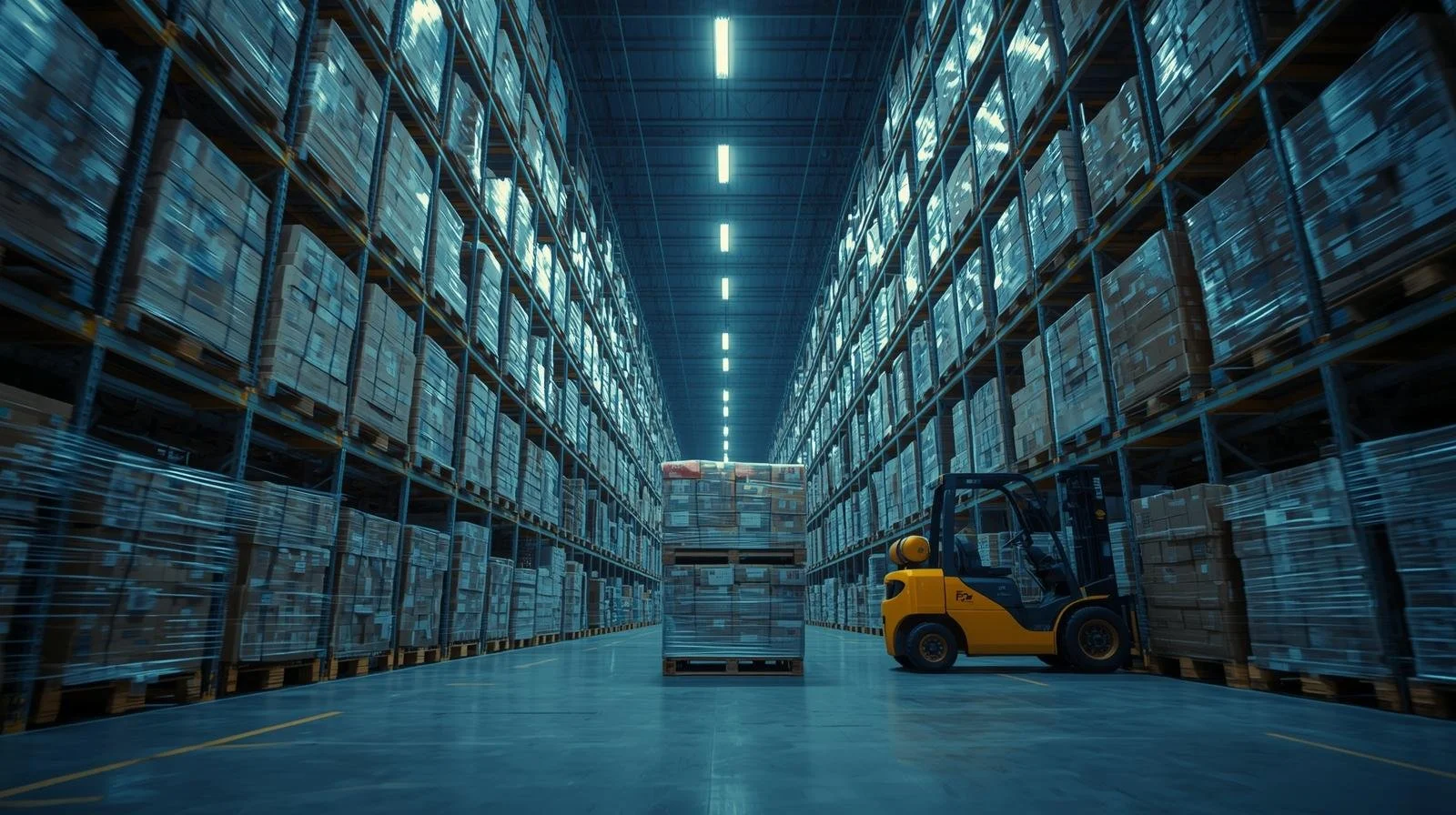
For cold storage operators and distribution center managers, few words are more dreaded than "Recall" or "Expired Stock."
When a full truckload of frozen pizzas, cookies, or packaged meats hits its expiration date, it stops being an asset and becomes a massive logistical liability. You are left with a difficult choice: pay exorbitant landfill tipping fees for heavy organic weight, or pay your own labor force to manually unwrap thousands of units to recycle the food.
Neither option is efficient. The solution lies in Mechanical Depackaging.
How Industrial Depackaging Works
Depackaging is the bridge between "Retail Product" and "Animal Feed." Instead of manual separation, Waste Optima utilizes high-throughput machinery designed to crush, sift, and separate organic material from its outer packaging.
Input: Whole pallets of packaged goods (cardboard, plastic, foil, or aluminum) are fed into the system.
Separation: Mechanical paddles and screens separate the organic food from the packaging materials.
Output A (Feed): The food waste is aggregated into a clean, high-nutrient slurry or dry meal for animal feed.
Output B (Recyclables/Fuel): The packaging is cleaned and either recycled or sent to Waste-to-Energy (WtE) plants.
Brand Protection & Certified Destruction
One of the primary concerns for manufacturers disposing of finished goods is Market Re-entry. You cannot risk off-spec or recalled products appearing on the "gray market" or being scavenged from a dumpster.
Our depackaging process guarantees 100% destruction. Because the product is mechanically crushed to separate it from the wrapper, the original item is rendered unrecognizable and unsalable immediately. We can provide Certificates of Destruction (COD) for all depackaged loads, satisfying your QA and legal requirements.
What Can Be Depackaged?
Modern separation technology is incredibly robust. We can handle almost any non-glass packaging format found in a grocery store or warehouse.
Depackaging Capabilities Matrix
| Packaging Type | Food Product | Result |
|---|---|---|
| Plastic Film / Shrink Wrap | Pallets of Water, Soda, Sauces | Liquid extracted; Plastic recycled. |
| Cardboard & Foil | Cereal Boxes, Chips, Crackers | Separated for Dry Animal Feed. |
| Aluminum Cans | Vegetables, Soups, Beverages | Aluminum recycled; Content to Digester. |
| Glass Jars | Pasta Sauce, Pickles, Jams | ⚠️ Requires Special Handling |
The "Zero-Waste" Warehouse Cleanout
Warehouses are paid for maximizing storage density, not storing garbage. If you are sitting on "dead stock," you are losing money on the inventory and the square footage it occupies.
Waste Optima specializes in rapid, high-volume cleanouts. We can spot trailers at your dock for live loading or schedule Full Truckload (FTL) pickups to clear 20+ pallets at a time. By utilizing depackaging, you avoid the landfill, lower your disposal costs, and clear your racks faster.
Clear Your Docks Today
Stop wasting labor hours on manual unpacking. Contact Waste Optima to schedule a pickup for your bulk expired inventory.