
Convert Stagnant Brewing Inventory into Working Capital
We secure immediate bulk offtake for short-dated, unexpired craft beer, protecting your brand while clearing warehouse space before the "Best By" date dictates disposal.
Nationwide Wholesale Networks: Access to secondary markets and discount channels outside your primary distribution conflict zones.
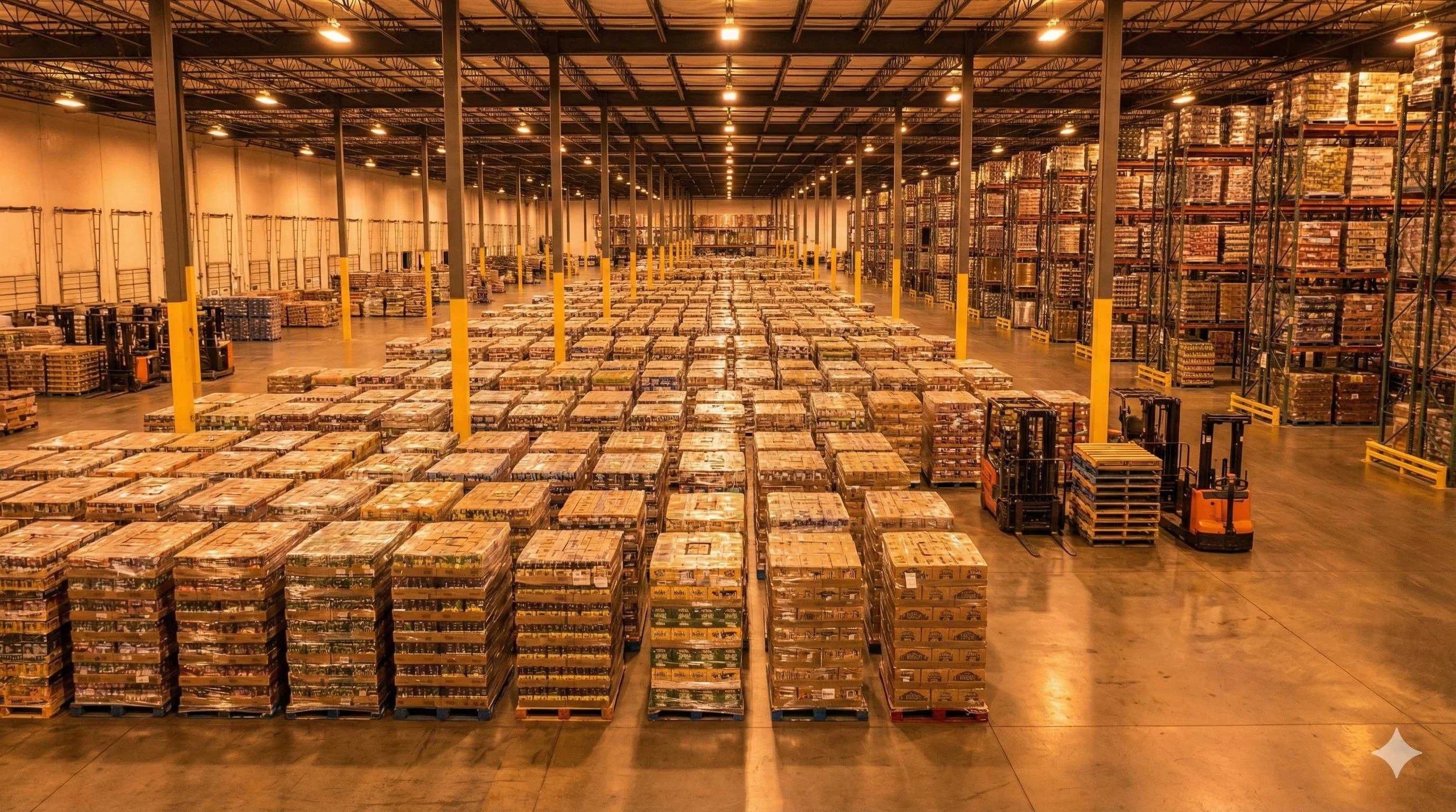
Full Truckload Logistics: We move 22-26 pallets at a time—LTL pick ups case-by-case.
Brand Protection Protocols: Strict adherence to delabeling or specific market restrictions if required.
Logistics & Acceptance Criteria
| Acceptable Inventory | Transport & Volume | The Hard No (Disqualifiers) |
|---|---|---|
| Canned/Bottled Beer (Case Packed) Hard Seltzers & RTDs Min. 12 Months Shelf Life Remaining |
Full Truckload (FTL) Only 22-26 Pallets per Load Dry Van / Temp Controlled |
Expired / "Past Date" Product Loose / Unpackaged Cans Kegs (Unless one-way) Less than 10 Pallets |
| Seasonal Overstock Discontinued SKUs Label Change Inventory |
Dock-to-Dock Logistics Nationwide Pickup |
Leaking or Damaged Packaging Glass in Gaylords Homebrew Volumes |
The 12-Month Rule: Why Timing is Your Only Leverage
In the beverage industry, time is not just money—it is liability. Once your inventory crosses the threshold of "Short-Dated" (typically 6 months out from expiry), Tier 1 distributors reject it. Once it expires, it becomes a waste stream requiring paid disposal, destruction certificates, and tax write-downs.
Waste Optima operates in the critical window between production and expiration. We leverage a secondary market of institutional buyers, discount retailers, and export channels that value the liquid, not the launch date.
Why We Require 12+ Months of Lead Time
Liquidation is not instantaneous. To move Full Truckload (FTL) volumes into secondary markets without crashing your primary pricing architecture, we need runway.
Vetting: We verify date codes and liquid quality.
Placement: We match the SKU to a buyer who accepts the specific "Best By" window.
Logistics: We coordinate freight to move product immediately off your floor.
If you wait until the product has 3 months left, the logistics cost often outweighs the recoverable value. Act while the product is still an asset.
Solving the "Long" Position on Seasonal SKUs
Forecasting error is a reality of craft brewing. You brewed for a Summer spike that cooled off early, or a Pumpkin Ale that didn't clear the distributor warehouse by November. Holding this inventory consumes valuable floor space and ties up capital in aluminum and ingredients.
Our Recovery Process:
Inventory Assessment: You provide manifest, date codes, and location.
Market Matching: We identify non-competing channels (e.g., deep discount retail, cruise lines, foreign markets).
Offer & Offtake: We present a Buyout Offer or a Cost-Neutral removal plan.
Execution: We route trucks to clear your dock, often within 72 hours of agreement.
Recover Capital from Your Inventory
To quote within a reasonable timeframe, we require the following intake spec. This ensures we match you only with qualified buyers.
Brand & SKU List: (CSV preferred) including bottle size and case pack.
Volume: Total cases/pallets and configuration.
Tax Status: Is the product Bonded or Tax-Paid?
Location: Zip code and load method.
Constraints: Any territory restrictions.
Related Services
Chemicals • Heavy Industrial • Organics • Paper • Plastic • Surplus Inventory
Last updated: 2026-01-23
Frequently Asked Questions
Do you purchase expired beer?
No. If your product is past its "Best By" date, it is classified as a waste stream. We can manage the destruction and recycling of the aluminum/glass, but that is a paid service, not a liquidation event. Please visit our Bulk Alcohol Disposal page for that service.
Will this undercut my current distributors?
We understand franchise laws and territory conflicts. Our goal is to move distressed inventory into channels that do not compete with your primary retail partners. We can discuss territory restrictions during the assessment phase.
What prevents you from taking partial loads?
Freight economics. To offer you any recovery value, the shipping cost per unit must be minimized. We generally only engage in Full Truckload (FTL) transactions to ensure the math works for both the brewery and the buyer. LTL loads considered on a case-by-case basis.